



Nigeria’s homegrown mobility startup, Metro Africa Xpress, MAX, has raised US$24 million in fresh funding, marking one of the most significant investments yet in Africa’s electric vehicle ecosystem and reinforcing the growing confidence of global investors in clean transportation solutions on the continent.
Coming at a time when African cities are grappling with rising fuel costs, environmental pollution, and limited access to affordable transport, the funding is positioning MAX at the center of a critical transition toward sustainable mobility.
With operations spanning Nigeria, Ghana, and Cameroon, the company is leveraging technology, renewable energy, and innovative financing to prove that electric mobility in Africa is no longer a distant ambition but a commercially viable reality.
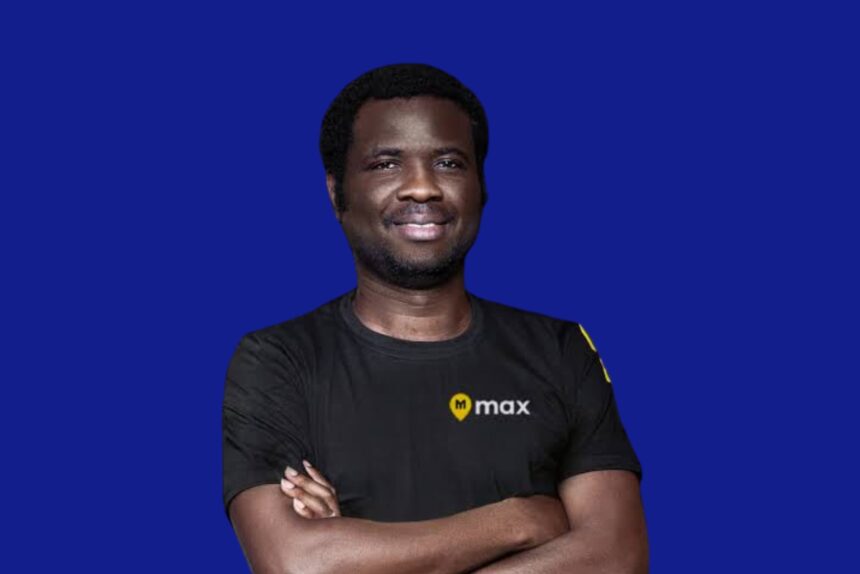
As its co-founder and CEO, Adetayo Bamiduro, puts it, “Profitability in Nigeria proves that electric mobility in Africa is not a future concept. It is viable, scalable, and investable today.”
What You Should Know About MAX
Founded as a technology-driven mobility company, MAX describes itself as Africa’s first integrated electric vehicle and battery subscription platform.
Rather than focusing solely on vehicle sales, the startup delivers a full ecosystem that includes electric vehicles, battery infrastructure, financing solutions, and digital mobility technology.
This approach allows transport operators, especially commercial riders and drivers, to access electric vehicles without bearing the heavy upfront costs traditionally associated with vehicle ownership.
MAX currently operates across Nigeria, Ghana, and Cameroon, where it is actively building the foundational infrastructure needed to support a transition to cleaner, more efficient transport systems.
The company’s mission is centered on enabling what it calls an “inclusive, tech-enabled, and zero-emissions future” for mobility in Africa.
What Makes the Startup Unique
MAX’s uniqueness lies in its integrated model, which brings together multiple elements of electric mobility under one platform.
Beyond providing electric vehicles, the startup has invested heavily in battery-swapping infrastructure, allowing riders to exchange depleted batteries for fully charged ones within minutes, eliminating long charging downtimes.
In addition, MAX combines this physical infrastructure with proprietary IoT and fleet management technology, enabling real-time tracking, performance optimization, and operational efficiency.
By pairing technology with financing options, MAX lowers entry barriers for riders while maintaining control over fleet performance and sustainability outcomes.
MAX’s Market Capacity and Reach
Operating in three African countries at the moment, MAX has demonstrated that electric mobility can function effectively even in challenging environments.
Its ability to reach profitability in Nigeria, Africa’s largest economy and one of its most complex transport markets, speaks strong market capacity and operational resilience.
By positioning itself as a pan-African platform rather than a country-specific solution, MAX is building the groundwork for broader adoption of electric vehicles across West and Central Africa, regions with massive urban populations and growing demand for affordable transport.
The Newly Raised Fund: Where It Came From
The US$24 million funding round is a blend of both equity and debt, reflecting strong confidence from a diverse group of investors.
The equity portion includes investments from Equitane DMCC, Novastar, Endeavor Catalyst, and other global investors, while the debt component is backed by asset-backed and climate-focused financing from the Energy Entrepreneurs Growth Fund (EEGF), managed by Triple Jump, alongside other development finance partners.
This mix of commercial and climate-focused capital underscores MAX’s positioning as both a high-growth business and a climate-impact venture.
What MAX Plans to Do With the Money
According to the company, the newly raised capital will be deployed to rapidly scale its electric vehicle fleet, expand its solar-powered battery-swapping network, and further develop its IoT and fleet management capabilities.
A significant portion of the funding will also support geographic expansion across West and Central Africa, strengthening MAX’s ambition to become a truly pan-African mobility platform.
Speaking on the significance of the funding, CEO Adetayo Bamiduro said, “This capital allows us to scale faster, deepen clean energy infrastructure, and build a truly pan-African mobility platform that expands access, lowers costs, and delivers durable impact.”
Why This Matters
MAX’s funding milestone goes beyond corporate growth; it sends a powerful signal about the future of transportation in Africa. Electric mobility is often viewed as impractical or premature for developing markets, yet MAX’s profitability and investor backing challenge that narrative.
By combining clean energy, technology, and inclusive financing, the startup is addressing economic, environmental, and social challenges simultaneously.
As fuel prices fluctuate and cities seek sustainable transport alternatives, MAX’s model demonstrates that electric mobility can be affordable, scalable, and commercially viable today.
The $24 million raise not only accelerates the company’s expansion but also strengthens Africa’s case as a serious destination for climate-smart investment and innovation.
Talking Points
MAX’s $24 million raise is a strong validation of electric mobility’s commercial viability in Africa, but it also exposes both the promise and the pressure facing climate-tech startups on the continent.
On the positive side, the combination of equity and climate-focused debt shows investor confidence not just in MAX’s growth prospects but in its ability to balance profitability with impact, particularly in a challenging market like Nigeria where infrastructure deficits and regulatory uncertainty often derail ambitious ventures.
Its integrated model-inking vehicles, battery swapping, financing, and technology, addresses real structural barriers to EV adoption, especially high upfront costs and unreliable power supply.
However, the scale of ambition raises critical questions about execution risk, expanding battery-swapping networks, maintaining fleet quality, and achieving operational consistency across multiple countries will demand significant capital discipline and regulatory navigation.
Also, while profitability in Nigeria is a notable achievement, sustaining margins amid currency volatility, policy shifts, and intensifying competition will test the resilience of the model.
Ultimately, MAX’s progress suggests that electric mobility in Africa has moved beyond experimentation, but its long-term success will hinge on whether it can convert early investor confidence into durable, continent-wide infrastructure without diluting affordability or operational efficiency.
____________________
Bookmark Techparley.com for the most insightful technology news from the African continent.
Follow us on X/Twitter @Techparleynews, on Facebook at Techparley Africa, on LinkedIn at Techparley Africa, or on Instagram at Techparleynews