



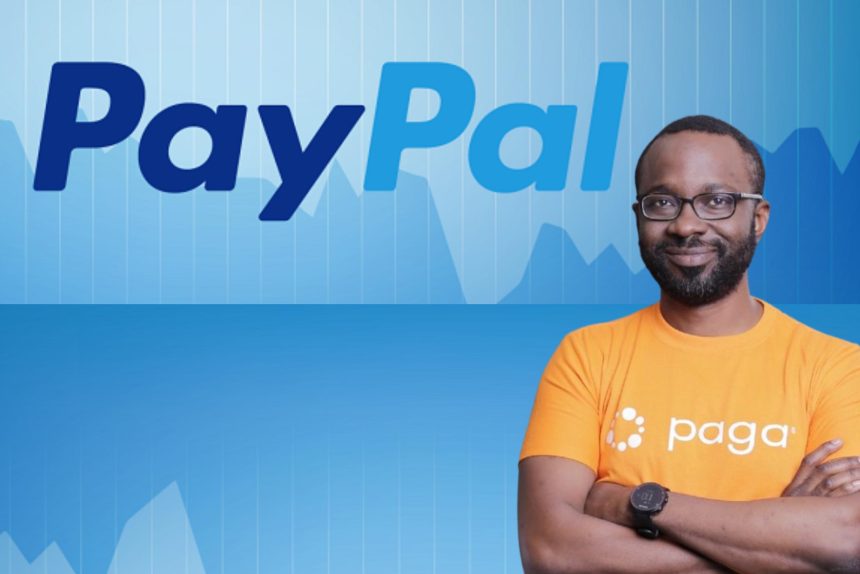
After nearly twenty years of limiting its services in Nigeria, PayPal is making a return through a strategic partnership with Nigerian fintech, Paga. The collaboration will enable Nigerians to receive international payments, settle them in Naira, and access PayPal’s global network, a milestone long awaited by individuals and businesses excluded from these services.
PayPal’s absence from Nigeria was largely attributed to fraud concerns, leaving freelancers, merchants, and consumers without a straightforward means to participate in the global digital economy.
Over the past two decades, Nigerian fintechs, including Paga, Flutterwave, and Paystack, have stepped in to build local and cross-border infrastructure, effectively bridging the gap and plugging Nigeria into international payments.
How the PayPal-Paga Integration Works
Under the partnership, Nigerian users can link their PayPal accounts to Paga wallets, allowing them to receive funds from more than 200 countries and withdraw them instantly in Naira. Users also have the option to hold balances in dollars, facilitating global online shopping at merchants that accept PayPal.
Currency conversion will be performed at willing-buyer, willing-seller rates, offering a competitive alternative to informal channels and cryptocurrency-based solutions that many Nigerians have relied upon for years.
For merchants, the integration opens access to PayPal’s global network of more than 400 million users, enabling Nigerian businesses to accept payments in up to 25 currencies.
Received funds can then be moved through Paga for local settlement, spent via Visa cards, transferred to bank accounts, or used to pay bills within Paga’s ecosystem. The integration also facilitates inbound flows from Venmo users in the United States.
“PayPal is what inspired Paga,” Tayo Oviosu, Founder and Group CEO of Paga, told TechCabal. “PayPal was an example that I had in my mind, and I shared with people, like, you know, why can’t we build a PayPal for Africa?”
“Anyone with a PayPal Nigeria account can now receive money from anybody using Venmo in the U.S.,” Oviosu said. “This is the primary wallet for a lot of people in the U.S. You can now receive your money in PayPal and keep it in dollars if you want.”
Supporting Small and Medium Enterprises
SMEs will continue onboarding through PayPal’s merchant platform. Once onboarded, businesses can efficiently receive international payments and route funds locally through Paga.
“Over time, our goal is to make onboarding, settlement, and reconciliation even more seamless by building solutions that feel fully integrated,” said Otto Williams, Senior Vice President, Regional Head, and General Manager of PayPal Middle East and Africa.
“We expect to add more features over time based on the needs of Nigerian users. Our focus is to deliver access that is secure, compliant, and relevant to local realities rather than simply replicating a global template.”
Individuals can link their PayPal accounts directly, while business owners can open Paga accounts to connect PayPal business profiles. Paga also plans to extend merchant-level PayPal acceptance through its payment gateways in the near future.
Why a Return Now?
PayPal’s re-entry into Nigeria comes after years of frustration and scepticism from the local market. In December 2025, reports that PayPal was in talks with African fintechs to launch a cross-border wallet platform sparked backlash, reflecting the pent-up demand from users who had been excluded for decades.
Nigeria’s digital economy has matured, with mobile wallets, instant payments, and API-driven platforms now able to support cross-border commerce at scale.
“We have been intentional about partnering with local innovators like Paga to develop solutions that help Nigerians earn, spend, and grow,” Williams said. “I was born and raised in Nigeria, so I have seen the potential firsthand. We are here to listen, learn, and support Nigeria’s digital economy.”
In 2025, Paga processed ₦17 trillion ($11.98 billion) across 169 million transactions. Industry analysts say PayPal partnership is expected to increase transaction volumes, particularly from international inflows. For the Nigerian economy, this translates into increased dollar liquidity within the formal financial system, strengthening the naira and formalising global payment flows.
While the partnership provides long-awaited access, Nigerians say it does not erase nearly two decades of exclusion. Nigerians have navigated informal channels, cryptocurrencies, and workarounds to receive payments during PayPal’s absence.
Experts say the challenge now is for PayPal and Paga to build solutions that are fully integrated, scalable, and adapted to local realities.
Talking Points
It is remarkable that PayPal has chosen to re-enter Nigeria through a partnership with Paga, leveraging the fintech’s local infrastructure and compliance capabilities to finally enable Nigerians to receive international payments after nearly two decades of exclusion.
This collaboration allows individuals to link their PayPal accounts to Paga wallets, receive funds from over 200 countries, and withdraw instantly in Naira or hold balances in dollars, effectively bridging the long-standing gap in cross-border financial access.
At Techparley, we see how this integration could transform Nigeria’s fintech ecosystem by giving both individuals and SMEs unprecedented access to global payment networks, reducing reliance on informal channels and workarounds.
For businesses, the integration provides access to PayPal’s global network of more than 400 million users, enabling merchants to accept payments in up to 25 currencies and settle locally through Paga. This opens new revenue streams and positions Nigerian SMEs to operate on a global scale.
Looking ahead, there is significant opportunity for scaling. Expanding merchant-level acceptance, deepening API integration, and building complementary financial services could further transform Nigeria’s digital payments landscape, bring more formal dollar flows into the economy, and enhance financial inclusion.
——————-
Bookmark Techparley.com for the most insightful technology news from the African continent.
Follow us on Twitter @Techparleynews, on Facebook at Techparley Africa, on LinkedIn at Techparley Africa, or on Instagram at Techparleynews.