



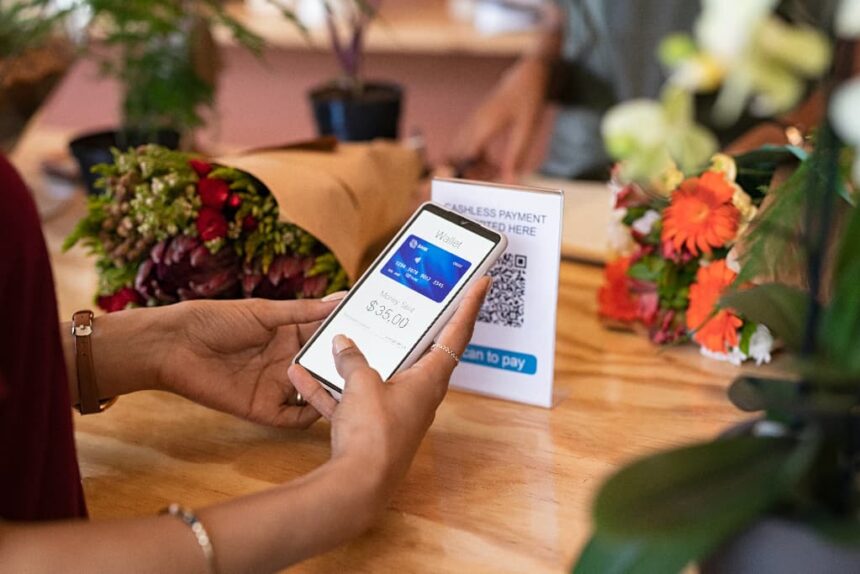
In Africa, agriculture remains the backbone of many economies, yet smallholder farmers and agri-businesses often struggle with cash-heavy, inefficient, and fragmented financial systems.
Traditional payment methods, relying on physical cash, pose significant challenges, from delayed payments and theft risks to limited access to credit and financial services.
Today, mobile money and digital payments are revolutionizing agri-tech operations, providing farmers and agribusinesses with innovative tools to enhance efficiency, transparency, and profitability.
By integrating mobile wallets, digital vouchers, QR codes, and other fintech solutions, agri-tech companies can streamline supply chains, accelerate payments, improve access to inputs and financing, and establish data-driven farm management practices.
For smallholder farmers, cooperatives, and agricultural startups, leveraging these digital tools is no longer optional, it is essential for growth, resilience, and competitiveness in Africa’s rapidly evolving agricultural landscape.
Streamlining Supply Chain Payments
One of the most immediate benefits of digital payments in agriculture is improving how money flows through the supply chain.
Direct-to-Farmer Payments: Mobile money enables agribusinesses to pay farmers directly, replacing cash handouts. Direct transfers reduce risks of theft, ensure payment accuracy, and allow instant access to funds. As a result, farmers can meet immediate household or farm needs without delays.
Instant Payment on Delivery: Platforms integrating AI-driven produce quality assessments with real-time payments, such as VunaPay, allow farmers to receive instant compensation upon delivery. This system minimizes delays, builds trust, and encourages adherence to quality standards.
Bulk Payment Solutions: Aggregators, cooperatives, or larger farms can pay multiple farmers simultaneously through bulk mobile payment services like M-Pesa, Tigo Cash, or MTN Mobile Money. Bulk payments streamline operations, save time, and reduce administrative costs.
Enhancing Access to Inputs and Financing
Access to seeds, fertilizers, equipment, and financing is often a barrier to increasing productivity, especially for smallholders. Digital payments can bridge this gap.
E-Voucher Systems for Inputs: By linking e-vouchers to mobile numbers, farmers can purchase certified inputs from registered suppliers. This reduces subsidy leakage and ensures that government or private support reaches the intended beneficiaries.
“Buy Now, Pay Later” (BNPL) Models: Digital credit platforms allow farmers to acquire inputs immediately and repay after harvest, often using transaction history instead of traditional collateral. BNPL solutions help farmers maintain liquidity while improving crop yields.
Alternative Credit Scoring: Mobile money transaction histories create digital footprints that can be used for credit scoring, enabling unbanked farmers to access loans and insurance. Financial inclusion expands as lenders gain confidence in digital profiles backed by real transactional data.
Digitizing Farm Management and Sales
Beyond payments, digital solutions enhance how farms are managed, marketed, and insured.
Digital Marketplaces: E-commerce platforms connect farmers directly to buyers, reducing reliance on intermediaries and enabling secure, digital transactions. Transparent pricing and prompt payments encourage fair trade and increased income for farmers.
Mobile-Friendly POS Systems: Point-of-sale devices or mobile apps make transactions traceable and professional. Digital records simplify bookkeeping, enhance credibility with buyers, and assist in logistics and inventory tracking.
Parametric Insurance: Digital insurance services automatically trigger payouts via mobile money when predetermined conditions are met, such as drought detection through satellite data.
This reduces administrative delays and ensures farmers are protected against climate-related losses.
Key Strategies for Successful Implementation
Implementing digital payments in agriculture requires thoughtful planning to ensure adoption and sustainability.
Build Strategic Partnerships: Collaborate with Mobile Network Operators (MNOs), banks, and fintech startups to offer integrated services. Platforms like Tulaa and M-Kopa combine payments with farming advice, credit, and input delivery, creating comprehensive solutions for farmers.
Invest in Digital Literacy: Training and hands-on support are critical. Many smallholder farmers may be unfamiliar with digital wallets or mobile apps. On-ground initiatives, including local agents, can help farmers gain confidence in these tools.
Prioritize Security and Trust: Transparent and secure systems reduce fraud and increase adoption. Local support, responsive customer service, and trusted agent networks help build trust among rural communities.
Focus on Interoperability: Digital payments must work across networks and platforms to prevent fragmentation. Seamless interoperability ensures that farmers can transact regardless of their mobile provider, facilitating wider adoption and efficiency.
By transitioning from cash-heavy operations to digital payment platforms, African agri-tech stakeholders can increase efficiency, improve financial inclusion, and reduce risks associated with traditional methods.
Mobile money and digital payment solutions empower farmers, enhance supply chain transparency, and open access to credit, inputs, and insurance.
For agribusinesses, adopting these technologies is not just about convenience, it is about creating resilient, data-driven, and scalable agricultural ecosystems that can thrive in the modern economy.
Frequently Asked Questions
How can smallholder farmers start using mobile money for their produce payments?
Farmers can register with mobile money providers through agents or mobile apps. Payments from buyers can then be sent directly to their mobile wallets.
Are digital payments secure for farmers and agribusinesses?
Yes. Most mobile money platforms use PINs, encryption, and agent verification systems to prevent fraud. Choosing reputable providers and educating users enhances security.
Can mobile money improve access to loans and credit?
Absolutely. Transaction history on mobile money accounts can be used for alternative credit scoring, enabling previously unbanked farmers to access microloans and “Buy Now, Pay Later” schemes.
What types of digital payment solutions work best for agricultural cooperatives?
Bulk payment platforms, integrated e-voucher systems, and mobile-friendly POS devices are ideal, as they allow simultaneous payments, reduce errors, and create digital records for management.
How do farmers benefit from digital insurance through mobile money?
Digital parametric insurance triggers automatic payouts for predefined events like droughts or crop failure, providing fast, transparent, and reliable financial protection.
________________________
Bookmark Techparley.com for the most insightful technology news from the African continent.
Follow us on X/Twitter @Techparleynews, on Facebook at Techparley Africa, on LinkedIn at Techparley Africa, or on Instagram at Techparleynews