


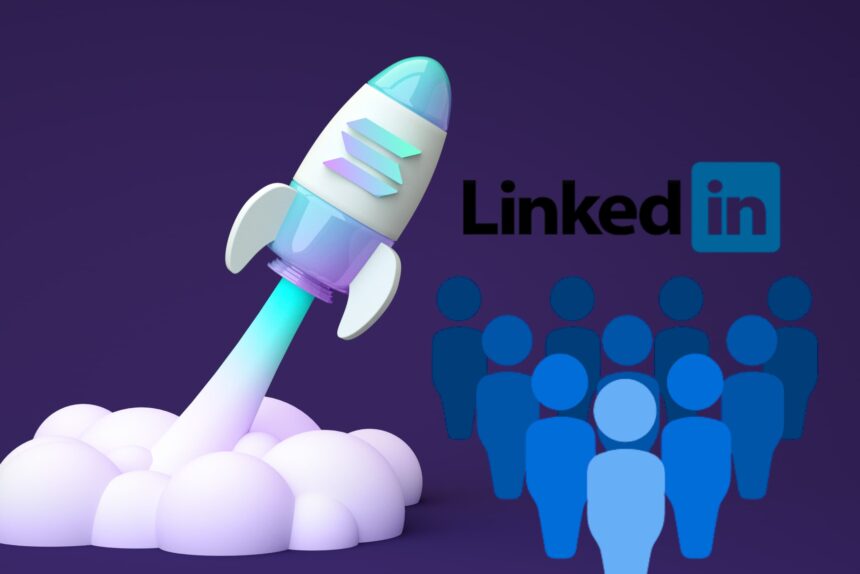
In today’s digital-first business environment, LinkedIn has evolved far beyond a networking platform, it is now a powerful stage for founders, executives, creators, and innovators to command both media visibility and investor interest.
With more than one billion users and a growing presence of journalists, venture capitalists, analysts, and industry leaders, the platform provides unparalleled access to people who can amplify your brand or fund your next big idea.
Yet, visibility on LinkedIn is not a matter of luck; it requires a deliberate strategy that blends thoughtful positioning, consistent value creation, and meaningful engagement.
Whether you lead a startup preparing for funding rounds, you’re a subject-matter expert seeking media exposure, or a corporate professional looking to establish thought leadership, mastering LinkedIn can dramatically influence how the world sees, and responds to your work.
This article explores a comprehensive, actionable guide to help you strategically use LinkedIn to capture the attention of both media professionals and investors.
Profile Optimization: Crafting a Strong First Impression
Your LinkedIn profile is your digital handshake, and for journalists or investors encountering you for the first time, it often determines whether they perceive you as credible, interesting, and worth engaging with.
A compelling profile serves as both your portfolio and pitch. Start with professional visuals, that’s, use a clear, high-quality headshot that reflects confidence and approachability.
Your banner image should visually communicate your brand, industry, or company mission. This simple visual polish instantly speaks professionalism.
Next, create a keyword-rich headline that goes beyond your job title. Investors and media professionals often search industry terms, expertise areas, or problems being solved.
Including phrases like “AI Healthcare Innovator” or “Fintech Founder Driving Emerging Markets Inclusion” helps you appear in relevant searches and communicates value at a glance.
Your About section should read like a story, not a CV. Write in the first person, highlighting the problem you are solving, your vision, and your milestones. Use concrete data to show progress and traction, whether it’s revenue growth, user acquisition, product launches, or fundraising achievements.
In your Experience section, focus on achievements rather than responsibilities. Metrics matter, investors want proof of progress, while journalists look for interesting narratives backed by evidence.
The Featured section is your highlight reel. Use it to link important pitch decks, top-performing content, press mentions, interviews, or opinion pieces.
Additionally, build credibility through social proof. Recommendations from clients, partners, mentors, or industry peers create a strong trust signal.
A robust network and authentic endorsements can be the deciding factors for someone considering reaching out.
Content Strategy: Showcasing Expertise Through Value-Driven Content
Once your profile is optimized, your next task is visibility, and that comes through content.
Consistently sharing high-quality, value-driven content positions you as a thought leader and ensures your name appears repeatedly on the feeds of journalists and investors.
Start by sharing meaningful insights such as industry trends, analyses, lessons from your journey, or commentary on emerging developments.
Posts that provide depth and clarity can attract engagement and broaden your audience.
Diversify your content formats. Use short-form posts for quick ideas or reflections, long-form articles to establish authority, and multimedia such as images or videos to boost engagement.
Behind-the-scenes clips, product demos, and milestone announcements keep your audience connected to your growth.
Highlight significant milestones such as launches, partnerships, awards, user growth, and fundraising targets.
These updates demonstrate traction, something both investors and media professionals look for when assessing relevance.
Consistency is crucial. Publishing two to three times a week keeps your profile active and your ideas circulating within the network.
To improve discoverability, incorporate relevant hashtags, such as #startupfunding, #mediarelations, #innovation, or your industry-specific tags.
This increases your visibility beyond your immediate connections and helps the right audience find your work.
Targeted Engagement: Building Intentional Connections
Visibility alone is not enough, you must also engage with key individuals and communities to build relationships that convert into opportunities. Purposeful networking is far more effective than waiting for media or investors to find you.
Start by sending targeted connection requests. A generic “I’d like to connect” message often goes ignored. Instead, personalize your request, reference a recent article the journalist wrote, an investment focus the VC shared, or a mutual contact. This signifies respect and intention.
Engage thoughtfully on LinkedIn by commenting on posts from journalists, investors, industry leaders, and potential partners. Provide insights, ask questions, or add context without being promotional. These interactions help put you on the radar without coming off as “pitchy.”
Join LinkedIn Groups that bring together founders, investors, or media professionals. Groups such as “Entrepreneurs Meet Investors” or “LinkedIn for Journalists” allow you to participate in meaningful conversations and be visible within niche communities.
Make use of LinkedIn Events and LinkedIn Live. Hosting webinars, demos, fireside chats, or Q&A sessions can draw targeted audiences to your work. Investors appreciate founders who take initiative, while journalists often look for new story angles in such public sessions.
Where possible, prioritize warm introductions, especially for investors. Mutual connections, mentors, advisors, existing investors, or respected colleagues, significantly increase the chance of securing a meeting.
A warm introduction communicates trustworthiness and mitigates risk for the investor.
Frequently Asked Questions About Getting Media and Investor Attention on LinkedIn
How often should I post on LinkedIn to stay visible to investors and journalists?
Posting two to three times per week is ideal. It keeps you consistently visible without overwhelming your audience.
What type of content attracts media attention the most?
Insightful industry commentary, data-backed posts, expert opinions, and milestone announcements tend to catch journalists’ interest because they offer strong narratives or timely angles.
Can I pitch journalists directly on LinkedIn?
Yes, but do it strategically. Build rapport first through comments or interactions, then send a concise, personalized pitch through direct messages. Avoid pitching in public comments.
What should founders highlight on their profiles to attract investors?
Investors want traction and clarity. Showcase market validation, revenue growth, user numbers, partnerships, and compelling metrics in your About and Experience sections. Include pitch decks in your Featured section.
How can I stand out in a crowded LinkedIn space?
Consistency, authenticity, and value-driven content set you apart. Tell your story, share your challenges transparently, and offer expert insights. Engaging personally with industry leaders also boosts your visibility and credibility.
____________________
Bookmark Techparley.com for the most insightful technology news from the African continent.
Follow us on X/Twitter @Techparleynews, on Facebook at Techparley Africa, on LinkedIn at Techparley Africa, or on Instagram at Techparleynews