



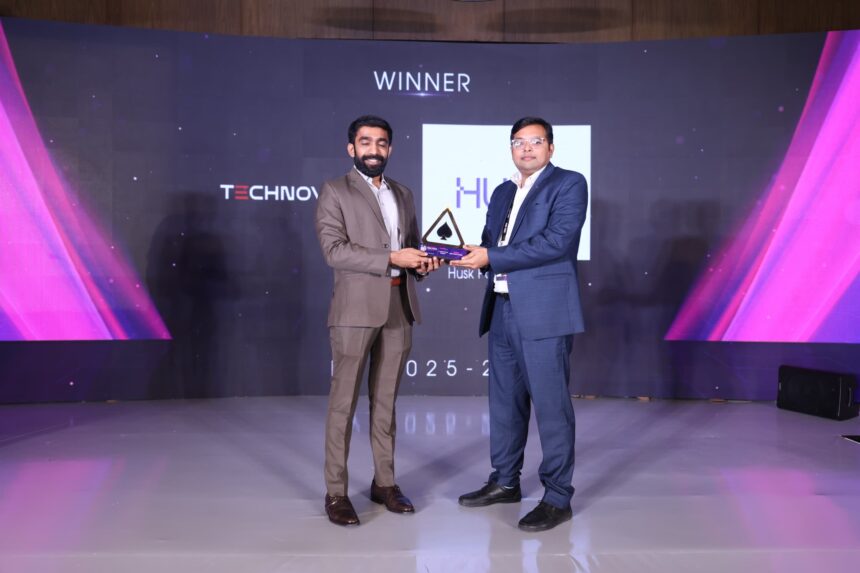
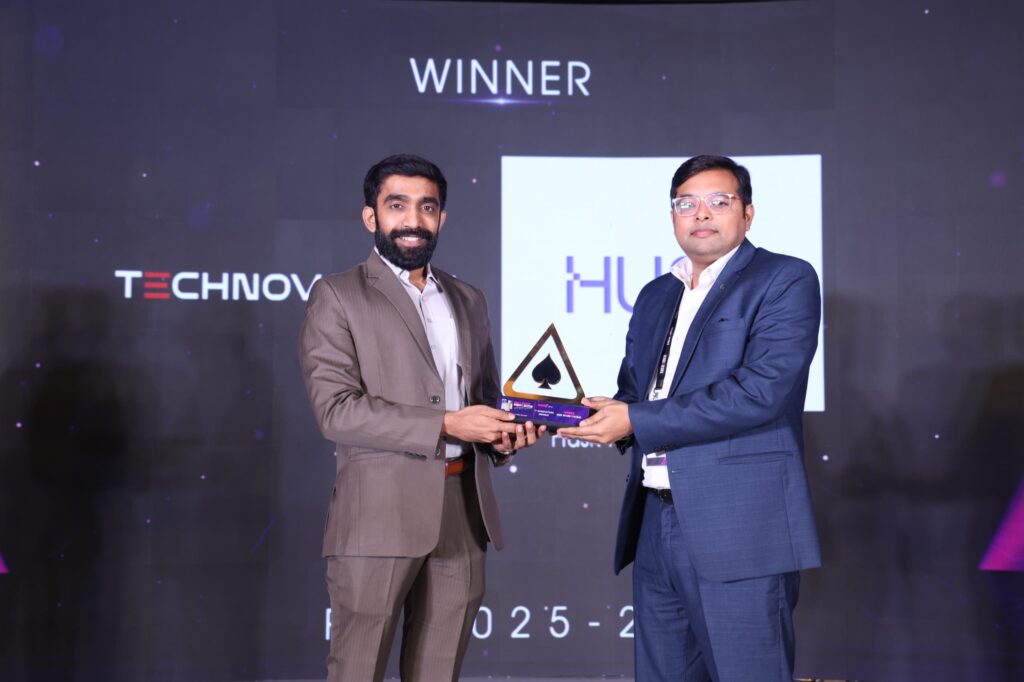
Husk Power Systems has emerged as a leader in the global clean energy space after clinching the Technovator award under Renewables category at the 2026 Future Energy Leaders Awards (FELAS), a platform that recognizes trailblazers accelerating the energy transition.
The award, announced by Enersider Markets Media and presented at a high-level ceremony in New Delhi on Monday, March 23, celebrates Husk’s growing influence in delivering scalable, tech-driven renewable energy solutions across underserved regions in Africa and Asia.
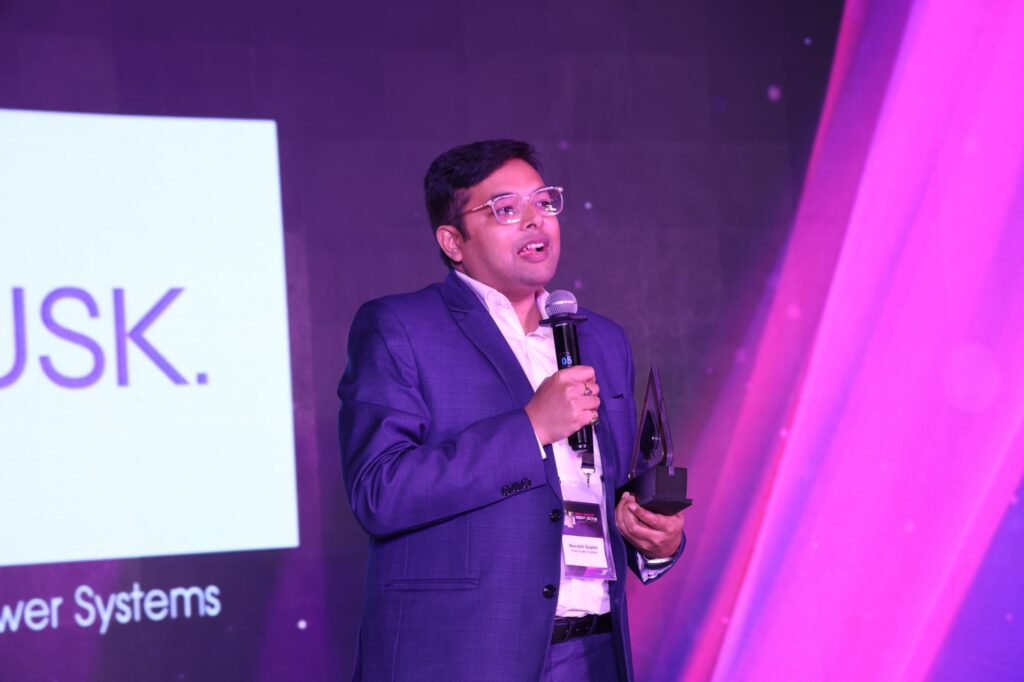
Reacting to the recognition in a press release forwarded to Techparley on Wednesday, March 25, 2026, Olu Aruike, Country Director, Nigeria, and VP, Business Development, West Africa, described the honour as both validating and inspiring, noting that it “accepts this award with gratitude” while appreciating “the organizer’s recognition of our efforts in advancing energy access, boosting local incomes and shaping a greener future in the Global South.”
Techparley Africa can confirm that Husk Power is a private-sector leader tackling energy poverty through innovation, particularly at a time when over 600 million people in Africa still lack access to reliable electricity.
What is FELAS Technovator and Husk’s Winning Factors
The Future Energy Leaders Awards (FELAS) is widely regarded as one of India’s most prominent energy sector award platforms. It is designed to spotlight innovation and leadership across critical segments such as renewable energy, green hydrogen, climate action, and sustainable infrastructure.
Within this framework, the Technovator category under Renewable Energy specifically honours organizations that are not only deploying clean energy solutions but also redefining how technology can accelerate the transition to sustainable power systems.
Husk’s selection in this category reflects a combination of technological innovation, operational excellence, and measurable social impact.
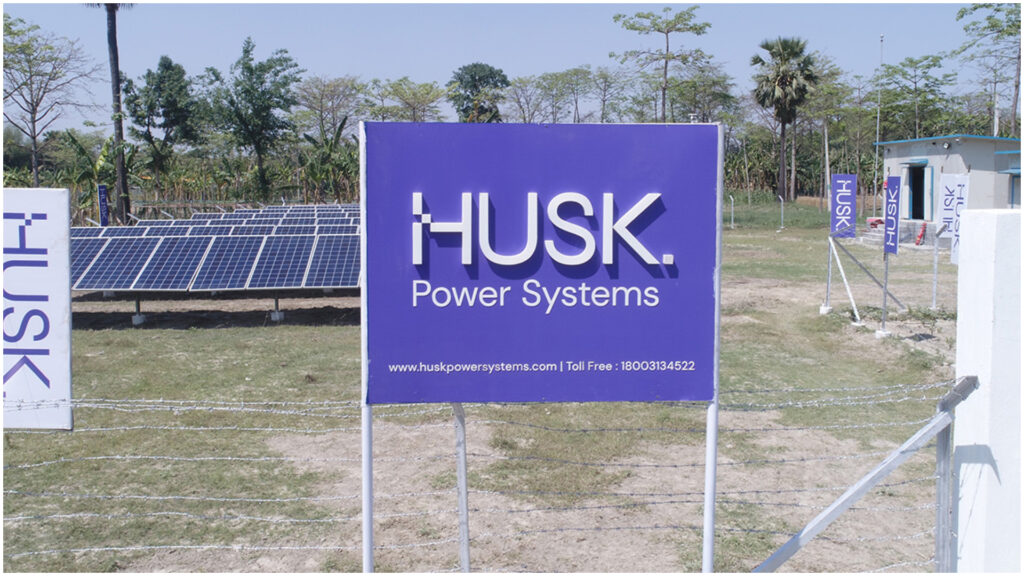
As an energy tech company leveraging artificial intelligence to power distributed energy resources, Husk has built a model that delivers reliable, affordable, and clean electricity to communities traditionally excluded from national grids. Its ability to integrate solar generation with battery storage ensures 24/7 power availability, while its grid-interoperable systems position it as a future-ready player in evolving energy ecosystems.
The company emphasized that it will “continue in our quest to deploy solar and storage solutions that enable 24/7 power, seamless operations, fast scalability, and long-term value,” highlighting the innovation edge that likely influenced the judges’ decision.
Compliance, Scale, and Private-Sector Leadership
Founded in 2008, Husk Power Systems has steadily grown into a key player in the decentralized renewable energy sector, with operations spanning Asia and Africa. At the heart of its growth strategy is a strong commitment to compliance and adherence to global best practices, principles the company credits as foundational to its long-term success.
In its acceptance statement, the company underscored this philosophy, and charged energy sector players on best practices compliance, noting that it dedicates the award “to companies that prioritize compliance with global best practices, as this commitment to excellence sets a standard for us since our establishment in 2008.”
This emphasis on compliance is not merely procedural but strategic, shaping everything from operational integrity to investor confidence and cross-border expansion.
Over nearly two decades, this approach has “driven our growth, earned us trust, and guided our expansion from Asia to Africa.”
This positions Husk as a credible and scalable solution provider in complex and often unpredictable markets. Beyond compliance, Husk’s leadership in the private sector is evident in its mission-driven model that combines profitability with impact.
By deploying AI-enabled distributed energy systems, the company delivers clean energy to homes, businesses, and industrial users while simultaneously stimulating local economies. Its focus on underserved and unserved communities aligns with broader global development goals, particularly in regions where public infrastructure alone has struggled to bridge the energy access gap.
The company also continues to refine its operations through a culture of continuous improvement, stating, “Every day, we ask ourselves what we can do better in our vision to provide clean energy to homes, communities, commercial and industrial enterprises.”
This mindset, coupled with its technological backbone, reinforces Husk’s role as a forward-looking energy innovator.
Who Are the Organizers Behind FELAS
The Future Energy Leaders Awards is organized by Enersider Markets Media, an industry-focused platform dedicated to advancing conversations and recognition within the global energy ecosystem.
Through FELAS, the organization brings together policymakers, corporate leaders, innovators, and investors to celebrate achievements that are shaping the transition toward net-zero energy systems.
The 2026 edition of the awards took place at Le Méridien in New Delhi, featuring an evening of high-level engagement that included an inaugural ceremony, awards presentation, and a networking dinner.
The event continues to serve as a convergence point for stakeholders across sectors such as renewable energy, natural gas, power utilities, and emerging clean technologies, highlighting the collaborative effort required to drive large-scale energy transformation.
Why This Matters for Innovators
Husk’s recognition at FELAS carries broader implications for emerging companies and innovators operating in the clean energy and climate-tech space. At a time when markets in the Global South are characterized by volatility, infrastructure gaps, and regulatory complexity, the company’s success offers a blueprint for sustainable growth anchored in compliance, innovation, and impact.
The company expressed hope that the award would serve as a catalyst for others, stating that it “will inspire emerging companies to adopt this mindset as it is the only way to true growth and scale, especially for players in dynamic and unpredictable markets.”
This message is particularly relevant for startups navigating the intersection of technology and development, where scaling solutions often requires balancing commercial viability with social responsibility. Moreover, Husk’s continued focus on addressing Africa’s massive energy deficit underscores the urgency and opportunity within the sector.
By “joining forces with other development partners to address the 600M energy deficit in Africa, and beyond,” the company is not only expanding its footprint but also contributing to a global movement aimed at achieving universal energy access.
In essence, the FELAS Technovator award does more than recognize past achievements, it amplifies a model for the future.
For innovators, investors, and policymakers alike, Husk Power Systems’ journey illustrates how technology, when combined with disciplined execution and a commitment to global standards, can transform one of the world’s most pressing challenges into a scalable and sustainable opportunity.
Talking Points
Husk Power Systems’ FELAS Technovator win is well-deserved and symbolically important, but it also invites a more critical reflection on the realities of scaling clean energy in underserved markets.
While the company’s emphasis on compliance and global best practices is commendable, and clearly a differentiator in attracting trust, investment, and cross-border expansion, it raises questions about how easily such standards can be adopted by smaller, resource-constrained startups operating in similar environments.
Husk’s AI-enabled, solar-plus-storage model is innovative and impactful, yet its long-term scalability will depend on navigating persistent structural challenges such as weak regulatory frameworks, currency volatility, and affordability constraints among end users.
Additionally, while the company positions itself as a leader in addressing Africa’s 600 million energy deficit, the scale of that challenge far exceeds the capacity of any single private-sector player. This underscores the need for deeper public-private collaboration.
Ultimately, the award reinforces Husk’s credibility and influence, but its broader significance will be measured by how effectively its model can be replicated, localized, and sustained across diverse and often unpredictable energy markets.
_________________________
Bookmark Techparley.com for the most insightful technology news from the African continent.
Follow us on X/Twitter @Techparleynews, on Facebook at Techparley Africa, on LinkedIn at Techparley Africa, or on Instagram at Techparleynews