



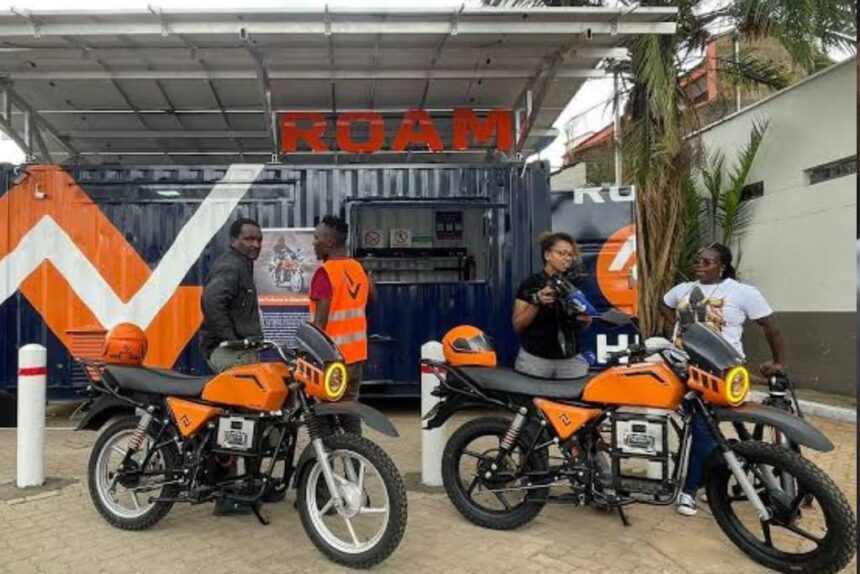
Africa’s transition to electric mobility has received a major technological boost as Kenyan electric mobility manufacturer Roam unveiled a new vehicle intelligence platform designed to improve visibility, performance monitoring, and operational efficiency across electric vehicle fleets.
The system, known as Roam Explorer, connects electric motorcycles, tuk-tuks, buses, and cars to a centralized digital platform capable of tracking battery health, performance, location, and usage in real time.
By combining connectivity, artificial intelligence, and mobile accessibility, including SMS-based functionality for low-connectivity regions. The company aims to address one of the most overlooked barriers to Africa’s electric mobility transition, the inability of operators, lenders, and riders to monitor vehicles effectively.
Roam says the platform marks a significant shift in how electric fleets are managed, moving the industry from reactive maintenance toward predictive, data-driven operations.
As Habib Lukaya, Roam’s country manager, explained, “Roam Explorer changes how electric fleets are managed. It moves us from reacting to problems to preventing them.”
What Roam Is and the Problems It Is Solving
Founded in 2017 and recently rebranded, Roam has emerged as one of Africa’s leading developers of locally designed and manufactured electric vehicles. The company focuses primarily on electric motorcycles and buses built specifically for African conditions, where affordability, durability, and accessibility are essential for adoption.
Roam’s broader vision, according to the company, is to create “reliable and cost effective products designed for the pan-African mass market,” a goal that aligns with the continent’s growing push toward cleaner transportation solutions.
Despite increasing interest in electric mobility across Africa, one persistent challenge has been the lack of visibility into vehicle performance, particularly for fleet operators and financiers.
Without real-time insights into battery health, usage patterns, and maintenance needs, operators often face unexpected breakdowns and costly downtime. This lack of transparency also makes lenders hesitant to finance electric vehicles, as they have limited ways to monitor the condition and usage of financed assets.
Roam’s new platform aims to close this gap by giving stakeholders a clear, real-time window into vehicle performance and operational health.
What Roam’s System Actually Does
The newly launched Roam Explorer functions as a digital operating layer that connects electric vehicles to a centralized monitoring system. Once connected, motorcycles, tuk-tuks, buses, and cars transmit critical operational data to the platform.
Through a smartphone interface, operators can monitor several key parameters, including battery health, vehicle location, performance metrics, and usage patterns. The system also supports connectivity across 2G, 3G, and 4G networks, ensuring that vehicles remain connected even in areas with limited infrastructure.
Importantly, the platform goes beyond smartphone-based applications. Some key functions can also be accessed via SMS, making the system usable in environments where smartphone adoption or internet access remains limited.
According to the company, the platform “tracks battery health’s range, temperature, and overall performance in real time,” providing operators with actionable insights that help them manage vehicles more efficiently.
Rather than positioning Explorer as an optional feature, Roam describes it as a foundational layer integrated into its electric vehicle ecosystem.
How Artificial Intelligence Is Helping
Artificial intelligence plays a central role in transforming the raw data collected by Roam Explorer into meaningful operational insights. By analyzing real-time data from vehicles, the platform can identify patterns that signal potential mechanical or battery-related issues.
This allows the system to predict when maintenance may be required before a vehicle actually fails. The result is a shift toward predictive maintenance, which helps operators reduce downtime, extend vehicle lifespan, and minimize unexpected repair costs.
According to Roam, this proactive approach can significantly improve fleet reliability and safety, especially in commercial mobility sectors such as ride-hailing, delivery services, and public transport.
As Lukaya explained, “By giving real-time visibility into battery health and vehicle performance, we are making electric fleets safer to operate and easier to finance.”
Unlocking New Opportunities for Vehicle Financing
One of the most important implications of Roam Explorer lies in its ability to support asset financing for electric vehicles. By providing lenders with real-time data on financed vehicles, the platform offers greater transparency and risk management capabilities.
Financial technology firms such as M-KOPA, which provide pay-as-you-go financing for mobility assets, could use this data to track the condition and usage of vehicles purchased through loans.
This increased visibility helps lenders ensure that financed vehicles remain operational and properly maintained. As a result, financial institutions may become more willing to support electric mobility initiatives, potentially accelerating the adoption of electric vehicles across Africa.
For riders and small business operators, this could translate into easier access to financing for vehicles that might otherwise be difficult to afford upfront.
Built Through International Collaboration
While Roam Explorer was developed locally in Kenya, the platform was created in collaboration with Swedish technology partners, highlighting the growing intersection between African innovation and global engineering expertise.
This partnership reflects a broader trend in Africa’s mobility sector, where local companies are combining regional knowledge with international technological support to create solutions tailored to the continent’s unique infrastructure and mobility challenges.
The result is a system designed not only to function in well-connected urban environments but also to operate effectively in rural areas where connectivity and device accessibility remain limited.
Why This Matters for Africa’s Electric Mobility Future
The launch of Roam Explorer signals a broader shift in Africa’s electric mobility landscape, from simply manufacturing vehicles to building integrated digital ecosystems around them.
Electric vehicles alone cannot transform transportation systems without supporting infrastructure, data visibility, financing models, and predictive maintenance capabilities.
By integrating connectivity, artificial intelligence, and flexible mobile access into its vehicles, Roam is attempting to create a holistic ecosystem that addresses these gaps. In essence, the platform moves electric mobility beyond hardware and into the realm of data-driven mobility management.
As Roam noted, the system reflects “a broader shift from building electric vehicles to building connected electric ecosystems.”
If widely adopted, technologies like Roam Explorer could play a crucial role in improving the reliability, affordability, and scalability of electric transport across the continent, an outcome that would support Africa’s environmental goals while strengthening its emerging clean mobility industry.
Talking Points
The launch of Roam Explorer by Roam represents a strategically important step in Africa’s evolving electric mobility ecosystem, particularly because it addresses a structural gap often overlooked in EV adoption, operational visibility and data intelligence.
While many electric mobility startups focus primarily on manufacturing vehicles, Roam’s shift toward building a connected digital ecosystem reflects a deeper understanding that long-term scalability depends not just on hardware but also on data-driven fleet management, predictive maintenance, and financing transparency.
By integrating artificial intelligence to analyze battery health, usage patterns, and maintenance needs, the platform could significantly reduce operational risks for fleet operators and strengthen confidence among lenders such as M-KOPA, which rely on asset performance data to support pay-as-you-go financing models.
However, the platform’s long-term impact will depend on several factors, including the reliability of mobile connectivity in rural areas, data security considerations, and the willingness of operators to adopt digital monitoring systems.
Moreover, while predictive maintenance and fleet intelligence could lower operational costs, the broader success of such technology will ultimately hinge on whether it meaningfully improves affordability and reliability for the mass-market users Roam targets.
If successfully implemented at scale, Roam Explorer could help shift Africa’s EV sector from fragmented vehicle deployment toward a more integrated and financially sustainable mobility ecosystem.
____________________
Bookmark Techparley.com for the most insightful technology news from the African continent.
Follow us on X/Twitter @Techparleynews, on Facebook at Techparley Africa, on LinkedIn at Techparley Africa, or on Instagram at Techparleynews