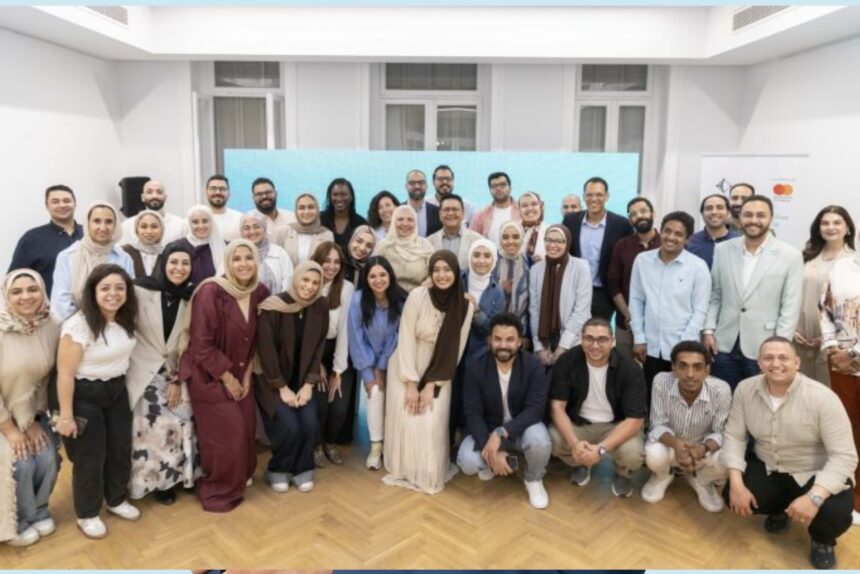
The Mastercard Foundation and EdVentures have selected 13 education technology (EdTech) startups for the third cohort of the Mastercard Foundation EdTech Fellowship in Egypt, deepening efforts to transform learning, skills development, and employability opportunities across Africa through technology-driven solutions.
The latest intake expands the programme’s portfolio to 36 startups supported across three cohorts, underscoring growing investment in innovative educational ventures capable of addressing some of the continent’s most pressing learning and workforce challenges.
The fellowship, which is implemented by EdVentures, the corporate venture capital arm of Nahdet Misr Group, in partnership with the Mastercard Foundation through its Centre for Innovative Teaching and Learning, is designed to accelerate the growth of promising African EdTech companies.
Through strategic mentorship, financial support, business development assistance, and access to learning science expertise, the programme aims to help participating startups scale their impact and build sustainable businesses capable of reaching millions of learners.
The newly selected startups represent a broad spectrum of educational innovation, ranging from artificial intelligence-powered learning platforms and healthcare education solutions to employability-focused technologies and digital inclusion initiatives.
Their selection highlights the increasing role of African entrepreneurs in developing homegrown solutions that respond to local educational and labour market realities while contributing to broader economic growth across the continent.
Building a Stronger EdTech Ecosystem Across Africa
The Mastercard Foundation EdTech Fellowship was established to strengthen Africa’s educational technology ecosystem by equipping innovative startups with the resources needed to scale their operations and maximize impact.
Implemented through partnerships with innovation hubs and EdTech accelerators across Africa, the fellowship provides participating companies with critical business and financial support while exposing them to insights from learning science and educational research.
According to the programme organisers, the initiative is intended to help startups move beyond the early stages of growth and become sustainable enterprises capable of delivering measurable educational outcomes. By focusing on scalability and long-term viability, the fellowship seeks to create a pipeline of impactful businesses that can contribute to educational transformation across Africa.
Speaking at the kick-off event for the third cohort, Dalia Ibrahim, Founder and CEO of EdVentures, emphasized the importance of collaboration in driving educational change.
“At EdVentures, we believe that transforming education requires more than innovative technologies; it requires strong partnerships that bring together shared expertise, resources, and a common vision for impact,” she said.
Ibrahim noted that the fellowship demonstrates how collaboration can accelerate innovation while expanding opportunities for entrepreneurs and learners alike.
“The Mastercard Foundation EdTech Fellowship is a powerful example of how collaboration can accelerate innovation, expand opportunities for entrepreneurs, and reach more learners and communities across Africa,” she added.
Diverse Startups Tackling Education, Employability Challenges
The 13 startups selected for the third cohort reflect the diversity of educational challenges facing African societies and the equally diverse solutions emerging to address them.
Among the selected ventures is Wisdom Education, which focuses on advancing medical and dental education through specialized digital learning experiences.
Hoopooh is leveraging artificial intelligence to improve early childhood education, while the Business Development Institute (BDI) provides entrepreneurship, business development, and professional upskilling programmes aimed at preparing learners for the modern economy.
Plan P is working to bridge the gap between healthcare education and real-world clinical practice, while MedsPark offers specialized healthcare training and professional development opportunities. E-TripleSoft Learn is helping learners acquire practical enterprise resource planning (ERP) and technology skills aligned with market demands.
The cohort also includes MOMKEN FOR HER, which focuses on empowering women through learning and employment opportunities, and Edulga.ai, which utilizes artificial intelligence to create personalized lifelong learning pathways for users.
Other selected startups include SDS Egypt, which develops accessible digital learning solutions that support persons with disabilities in their transition from education to employment; GMind, which is transforming learning through immersive virtual reality and augmented reality experiences; Qualiphi, which connects students, universities, and employers through AI-powered employability solutions.
Empower Hub, which helps underserved youth gain access to mentorship, scholarships, and international opportunities; and Farid Academy, which promotes social-emotional learning, character development, and wellbeing among children and young people.
Together, these startups illustrate how technology is increasingly being deployed not only to improve classroom learning but also to address broader challenges related to employability, inclusion, professional development, and lifelong learning.
Driving Inclusive Learning, Economic Participation
A recurring theme among the selected startups is the pursuit of inclusion and economic empowerment.
Several of the ventures focus specifically on underserved groups, including women, youth, and persons with disabilities, highlighting the fellowship’s commitment to ensuring that educational innovation benefits a broad spectrum of society.
The programme’s emphasis on employability is particularly significant at a time when many African countries are grappling with youth unemployment and skills gaps. By supporting startups that connect learning directly to workforce needs, the fellowship seeks to strengthen pathways from education to employment and entrepreneurship.
Wariko Waita, Director of the Mastercard Foundation Centre for Innovative Teaching and Learning, said the fellowship occupies a unique position within Africa’s education and innovation landscape.
“The fellowship sits at the intersection of three powerful forces, education system transformation, inclusive technology-enabled solutions, and the sustainability of Africa’s EdTech entrepreneurship ecosystem,” she said.
According to Waita, the initiative goes beyond supporting startups and aims to shape the future of learning across the continent.
“Through this fellowship, we are supporting innovators who are expanding access to learning, creating opportunities for young people, and helping shape the future of education across Egypt and Africa,” she added.
Why the Fellowship Matters for Africa’s Future
The expansion of the Mastercard Foundation EdTech Fellowship comes at a critical time for Africa’s education sector, which faces growing pressure to provide quality, accessible, and employment-oriented learning opportunities for a rapidly expanding youth population.
While governments continue to invest in educational reforms, technology-driven solutions are increasingly being viewed as a vital complement to traditional systems.
EdTech startups are helping bridge gaps in access, personalize learning experiences, improve educational outcomes, and connect learners with opportunities in the labour market.
By supporting 36 startups across three cohorts, the Mastercard Foundation and EdVentures are helping build a generation of African companies capable of addressing these challenges at scale.
The latest cohort not only reflects the growing maturity of Egypt’s EdTech ecosystem but also highlights the broader potential of African innovation to transform education, enhance employability, and contribute to sustainable economic development across the continent.
________________________________
Bookmark Techparley.com for the most insightful technology news from the African continent.
Follow us on X/Twitter @Techparleynews, on Facebook at Techparley Africa, on LinkedIn at Techparley Africa, or on Instagram at Techparleynews