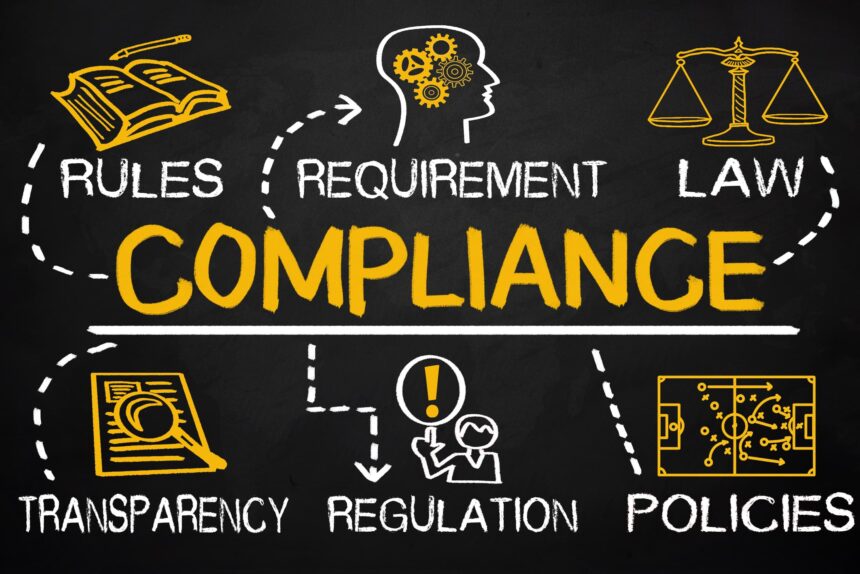
Africa’s startup ecosystem is expanding at remarkable speed, powered by youthful demographics, rising digital adoption, and growing investor interest. Yet for many founders, regulation remains one of the most complex, and misunderstood bottlenecks to growth.
Licensing delays, complicated rules across borders, unclear compliance expectations, and manual bureaucratic processes can stall innovation or even sink promising ventures.
The reality, however, is that regulation is not merely an obstacle to survive; when approached strategically, it can become a powerful enabler of trust, scalability, and long-term competitiveness.
This guide breaks down how African startups can proactively navigate regulatory challenges, leverage technology and partnerships, engage policymakers, and turn compliance into a strategic advantage rather than a cost center.
Treat Compliance as a Core Business Strategy from Day One
For many startups, regulation is often treated as an afterthought, something to address once traction is achieved or funding is secured.
This approach is risky in Africa’s regulatory environment, where early missteps can lead to fines, forced shutdowns, or loss of investor confidence. Startups should instead treat compliance as a foundational milestone, just as critical as product-market fit or customer acquisition.
Early licensing displays seriousness and stability to regulators, investors, and partners. It also allows founders to build governance structures that support sustainable growth.
By establishing clear internal controls, defining decision-making responsibilities, and documenting processes early, startups reduce operational risk and avoid costly restructuring later.
Regular internal audits and risk assessments further help founders anticipate regulatory gaps before they escalate into crises.
Leverage Technology to Simplify and Automate Compliance
Technology is one of the most effective tools startups can deploy to manage regulatory complexity efficiently.
Automated compliance solutions, particularly for Know Your Customer (KYC) and Anti-Money Laundering (AML) processes, can drastically reduce manual workload, speed up onboarding, and ensure consistent adherence to regulatory standards.
Beyond KYC and AML, startups should also use digital tools for tax filing, statutory reporting, and data protection management.
Aligning internal systems with globally recognized data privacy standards, such as GDPR-aligned frameworks, positions African startups to operate credibly in both local and international markets.
In a continent where regulators increasingly scrutinize fintech, healthtech, and data-driven platforms, technology-driven compliance is no longer optional, it is a competitive necessity.
Build Local Expertise and Strategic Partnerships
Regulatory environments across Africa vary widely, even within the same region. What works in Lagos may not apply in Nairobi or Accra. This makes local expertise indispensable.
Partnering with experienced local lawyers, accountants, and compliance consultants helps startups interpret regulations correctly and avoid costly misjudgments.
Strategic partnerships can also extend beyond advisory roles. Joint ventures with established local firms often ease market entry, provide regulatory credibility, and accelerate licensing processes.
Additionally, innovation hubs and accelerators, particularly in major ecosystems like Lagos and Abuja, offer startups access to mentorship, regulatory guidance, funding opportunities, and peer networks that can demystify compliance challenges.
Engage Regulators and Advocate for Smarter Policies
Successful startups do not operate in isolation from policymakers. Building constructive relationships with regulatory agencies helps founders stay informed about policy changes and demonstrate good faith compliance.
Engagement creates trust, which can be invaluable during inspections, audits, or licensing reviews. Startups should also actively participate in industry associations and public-private dialogues.
Collective advocacy is often more effective than individual lobbying, especially when pushing for reforms such as digitized licensing processes, startup-friendly laws, or clearer compliance guidelines.
By contributing insights from the ground, startups can help shape regulations that balance innovation with consumer protection.
Embrace Regional Integration and Cross-Border Opportunities
Africa’s regulatory fragmentation is gradually giving way to regional harmonization efforts. Frameworks such as the African Continental Free Trade Area (AfCFTA), as well as regional blocs like ECOWAS, EAC, and SADC, offer startups pathways to scale beyond national borders with fewer regulatory frictions.
Understanding these frameworks allows startups to plan expansion more strategically. Harmonization efforts in licensing, data protection, consumer rights, and KYC standards are creating opportunities for startups to design region-ready compliance systems.
Founders who align early with these regional standards are better positioned to expand efficiently and attract cross-border investment.
Build a Strong Internal Culture of Ethics and Accountability
Compliance is not solely a legal function, it is a cultural one. Startups that foster internal values of transparency, accountability, and ethical conduct are more resilient in the face of regulatory scrutiny.
This culture should be embedded through leadership behavior, staff training, and clear accountability structures.
When employees understand why compliance matters, not just how to follow rules, they become active participants in risk management.
Over time, this culture reduces violations, strengthens brand reputation, and builds trust with customers and regulators alike.
What Startups Need from Regulators and Policymakers
For Africa’s innovation ecosystem to thrive, regulatory systems must evolve alongside startups. Harmonized regulations across economic blocs would reduce duplication and lower compliance costs.
Digitized “one-stop shop” licensing platforms can dramatically improve ease of doing business, while regulatory sandboxes allow startups to test new technologies under controlled conditions without fear of punitive action.
Equally important is predictability. Clear, long-term policy roadmaps enable startups to plan confidently, attract investment, and scale responsibly. Regulation works best when it provides certainty, not surprise.
Frequently Asked Questions: Navigating Regulatory Challenges in Africa
When should a startup begin addressing regulatory compliance?
From inception. Early compliance reduces risk, builds credibility, and prevents costly restructuring as the business grows.
Are compliance tools affordable for early-stage startups?
Yes. Many compliance technologies are scalable and modular, allowing startups to start small and expand as needed.
How can startups influence regulatory reform?
By joining industry associations, engaging in public consultations, and participating in public-private dialogues with regulators.
Is regional expansion worth the regulatory complexity?
Yes, when approached strategically. Regional frameworks like AfCFTA are reducing barriers and creating significant growth opportunities.
Can compliance really be a competitive advantage?
Absolutely. Strong compliance builds trust with customers, investors, and partners, often becoming a key differentiator in crowded markets.
____________________
Bookmark Techparley.com for the most insightful technology news from the African continent.
Follow us on X/Twitter @Techparleynews, on Facebook at Techparley Africa, on LinkedIn at Techparley Africa, or on Instagram at Techparleynews