



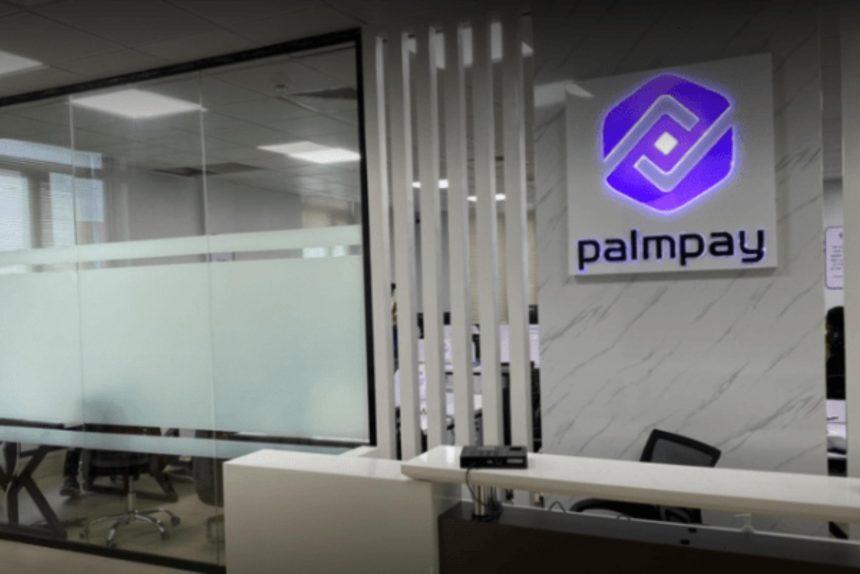
Nearly 2 months after Techparley first reported the case of a PalmPay customer whose account was frozen for 365 days without explanation, the issue remains unresolved, and responses from the fintech platform show little progress.
In the original report we published on 11 December 2025, Techparley detailed how a Nigerian customer, Idris AbdulRahman Omeiza, had his PalmPay wallet placed under a Post No Debit (PND) restriction for exactly one year, with the company allegedly citing a court order it could not substantiate.
Despite repeated attempts to verify that claim with law enforcement agencies including the Nigeria Police Force and the Central Bank of Nigeria (CBN), none could confirm the existence of a court directive. The customer also visited PalmPay branches in Lokoja and Lagos seeking documentation or explanation, to no avail.
At the time, PalmPay had not issued a formal public response to the core questions about why the account was frozen, nor had regulatory bodies commented publicly.
New Follow-Up: PalmPay’s Latest Response
On 21 January 2026, Techparley contacted PalmPay again to establish whether the matter had been resolved. In response, the fintech representatives advised the customer to continue sending reminders to the compliance team, without addressing why the restriction had lasted for over a year.
In a chat exchange reviewed by Techparley, PalmPay stated:
“We sincerely empathise with you on your experience. Kindly be advised to send reminders via the email address for further assistance.”
When asked whether further reminders were necessary after more than two months of ongoing correspondence, PalmPay reiterated that the issues are treated by their compliance team.
“Please note that such issues are directly treated by our compliance team, whose email has been provided to you. Kindly engage with them for resolution on this issue. Thank you for your understanding.”
The guidance effectively repeats the same procedural advice given in earlier communications, without giving a timeline, reasons for the prolonged freeze, or clarification on the status of any compliance or regulatory review. As of publication, the account remains frozen and the customer’s funds are still inaccessible.
Broader Consumer Protection Questions
The continued stalemate highlights a recurring issue within Nigeria’s fintech ecosystem, where customers often struggle to obtain timely resolutions on compliance-related account restrictions.
PalmPay, a fintech platform serving millions of Nigerians, has previously indicated that account freezes can result from compliance or fraud prevention processes.
Industry leaders note that flagged accounts may be temporarily restricted due to unusual transactions, identity verification gaps, or regulator/law enforcement requests, but the expectation is that such restrictions be accompanied by clear documentation and timelines.
In this case, experts say the absence of verifiable documentation and the absence of any clear estimate for resolution, even after a full year, highlights ongoing issues around transparency and dispute resolution in digital financial services.
While financial institutions are required to adhere to anti-money laundering (AML) and know-your-customer (KYC) regulations, consumer advocates argue that prolonged freezes without explanation undermine trust and financial inclusion. They note that fintech companies must provide clearer communication and faster escalation paths when accounts are restricted for extended periods.
Talking Points
The prolonged freeze of a PalmPay customer’s account for over a year, without a clear explanation or resolution timeline, highlights persistent gaps in customer dispute resolution within Nigeria’s fintech ecosystem.
While compliance-related account restrictions are sometimes necessary, the absence of verifiable documentation or transparent communication undermines trust in digital financial platforms that millions rely on for daily transactions.
At Techparley, we see this case as emblematic of a broader challenge facing fintech users: limited visibility into compliance reviews and little recourse when issues drag on indefinitely.
For a sector positioning itself as a driver of financial inclusion, unresolved cases like this risk excluding users from the very systems meant to empower them, particularly individuals and small businesses with limited alternatives.
There remains an opportunity for fintech companies to strengthen trust by introducing clearer timelines, better communication, and stronger accountability when accounts are restricted for extended periods.
As Nigeria’s digital payments landscape continues to scale, how platforms handle edge cases will increasingly define their credibility with regulators, consumers, and the wider public.
——————-
Bookmark Techparley.com for the most insightful technology news from the African continent.
Follow us on Twitter @Techparleynews, on Facebook at Techparley Africa, on LinkedIn at Techparley Africa, or on Instagram at Techparleynews.