

The Adeleke family’s route to victory in the August 15 Osun governorship election was fought not only on campaign grounds and polling units, but also across the fast-moving terrain of digital media.
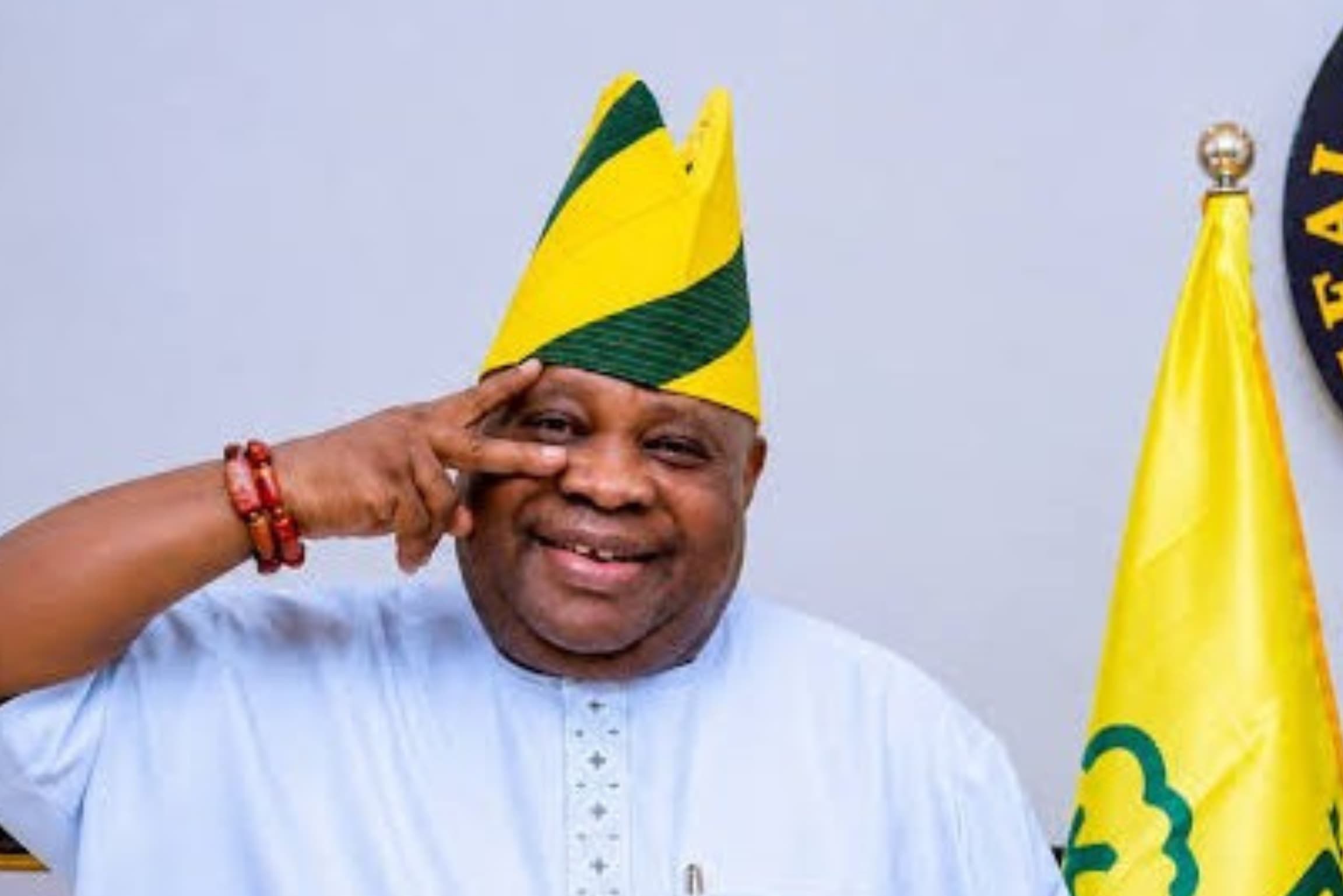
As Governor Ademola Adeleke secured re-election, the family’s online strategy, fronted prominently by singer David Adeleke, popularly known as Davido, provided a near-continuous stream of campaign visuals, political commentary, election-day updates, mobilisation messages and pressure on institutions.
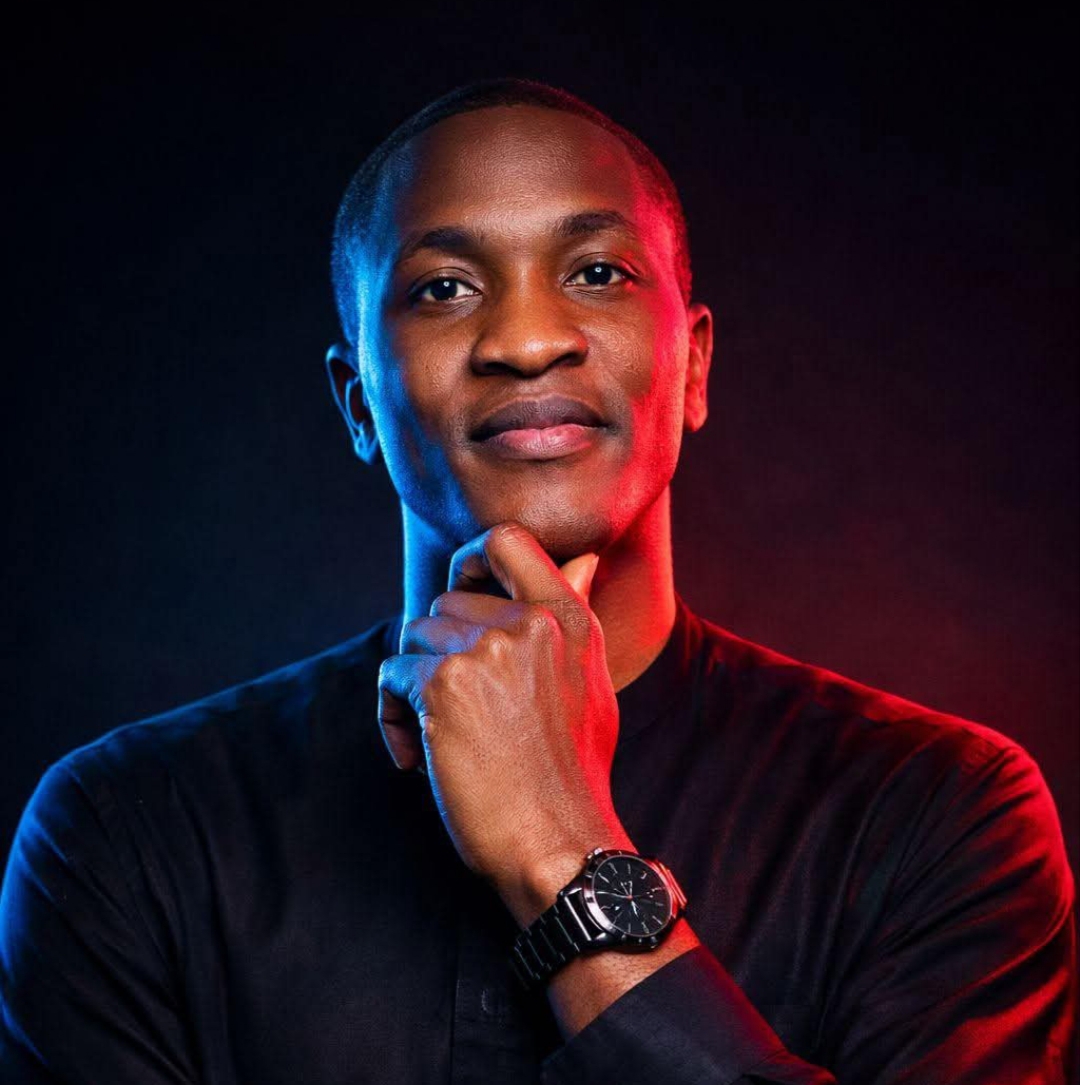
Davido, appointed head of youth mobilisation for the Accord Party campaign, used his enormous following to amplify crowd scenes, engage supporters and opponents, draw national and international attention to developments, and urge voters to defend their ballots.
The approach turned social platforms into an additional campaign and election-monitoring arena, extending the Adeleke political machine beyond physical rallies and party structures.
Live streams of campaigns showing the massive turnout
Long before voting day, the Adeleke campaign understood that images of momentum could become political capital.
Campaign appearances were streamed and circulated online, allowing supporters outside Osun to witness crowds attending rallies and mobilisation events in real time.
Davido’s celebrity status gave those broadcasts an unusually broad audience, while the family’s political network supplied content that kept attention focused on the governor’s re-election bid.
His appointment as head of youth mobilisation formalised a role he had already played through digital communication, particularly among younger voters.
The strategy mattered because turnout at a physical rally can be witnessed by thousands, but a livestream can reproduce that moment for millions, creating a rolling narrative of enthusiasm, confidence and electoral momentum around the Adeleke campaign
Music break for social media engagement across party divides
Davido’s digital campaign was not confined to music, entertainment or partisan cheerleading. At different points, he stepped away from his musical persona to engage political conversations directly, often through rapid-fire exchanges on social media.
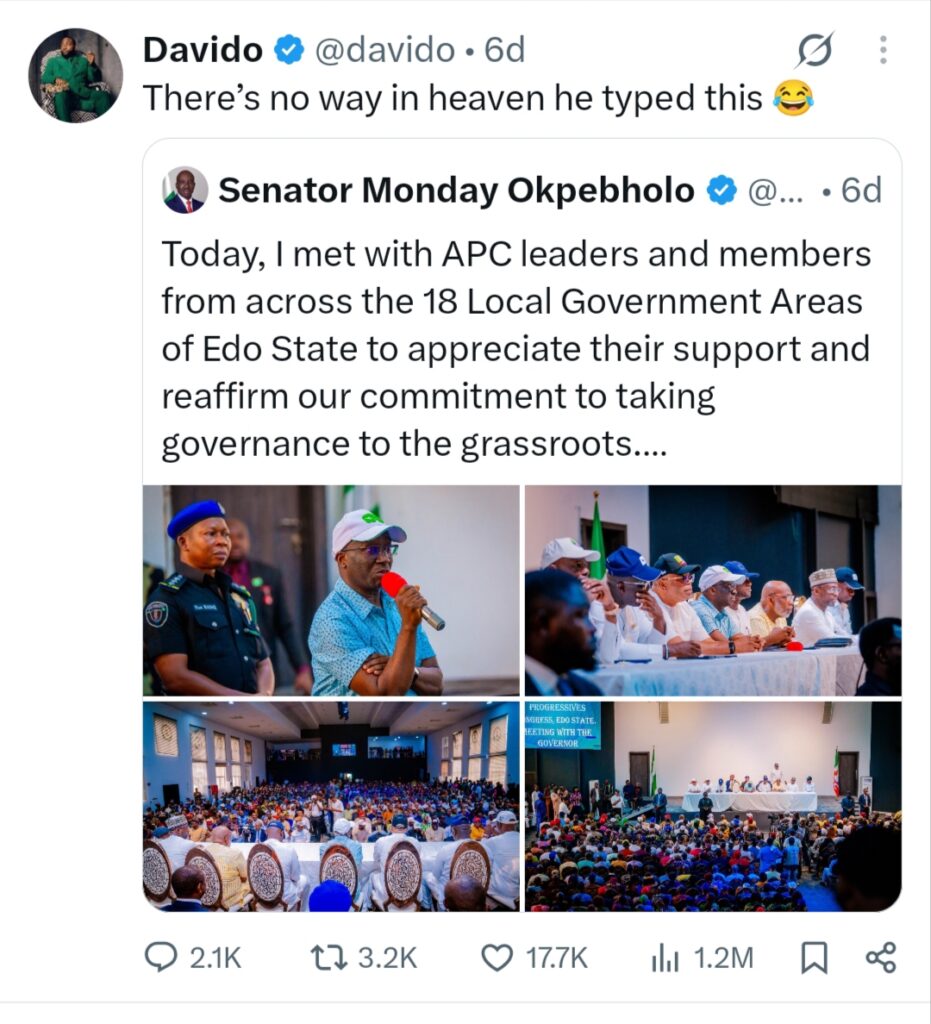
Those interactions crossed party lines and brought him into contact with figures associated with opposing political camps, including Bashir Ahmad, former aide to President Muhammadu Buhari, Omoyele Sowore and several APC loyalists.
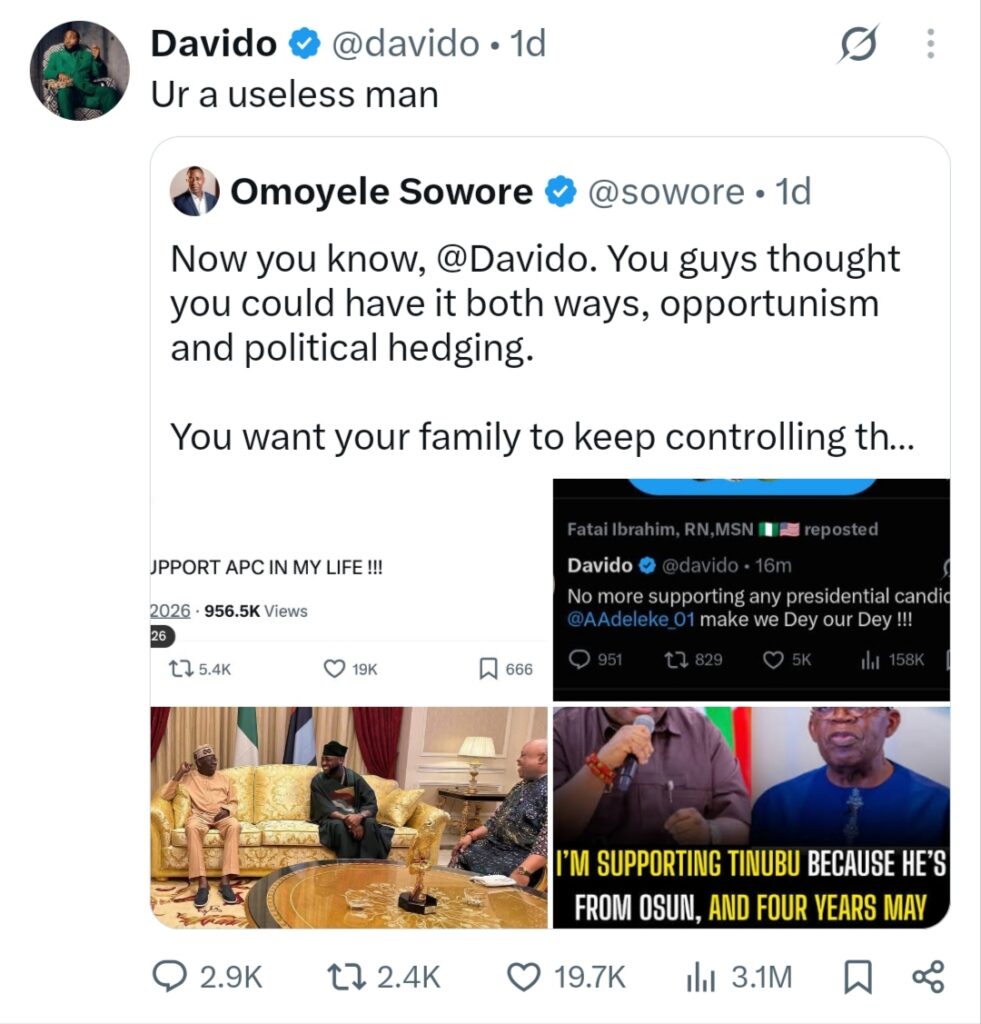
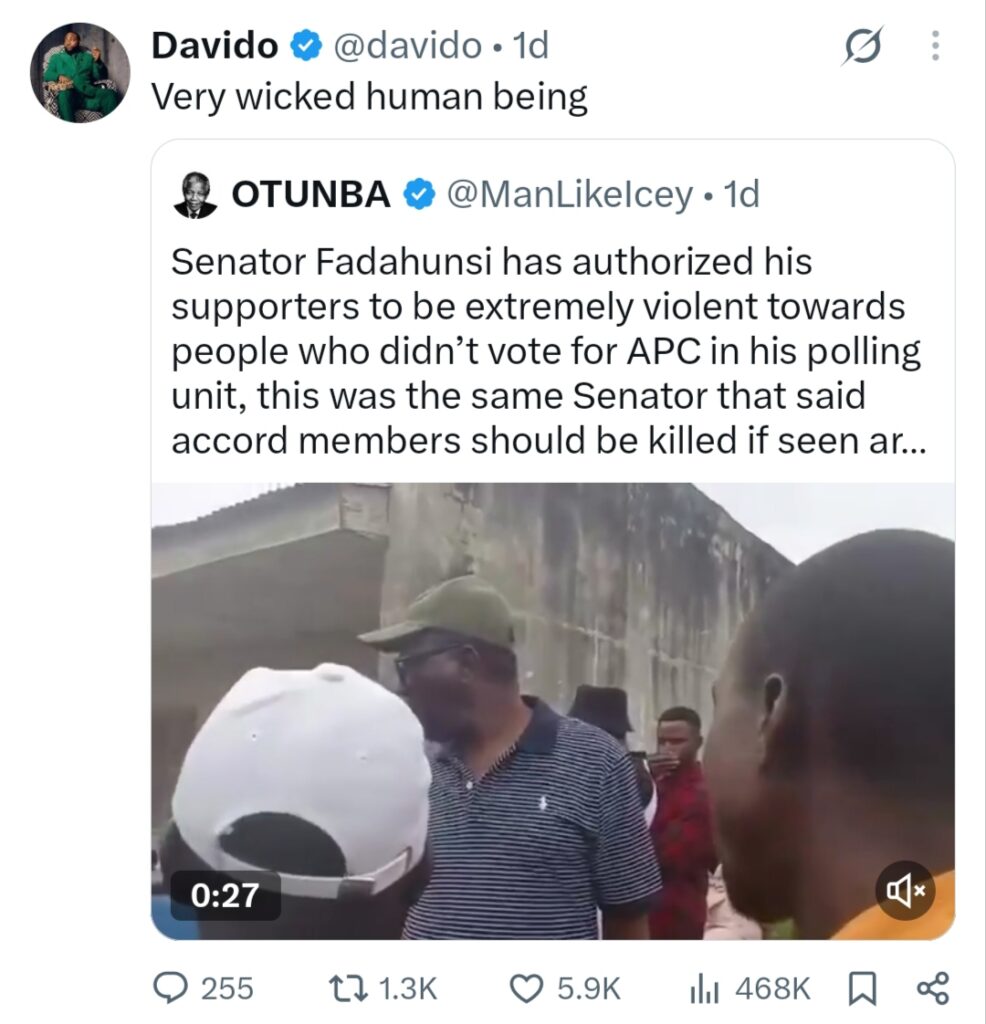
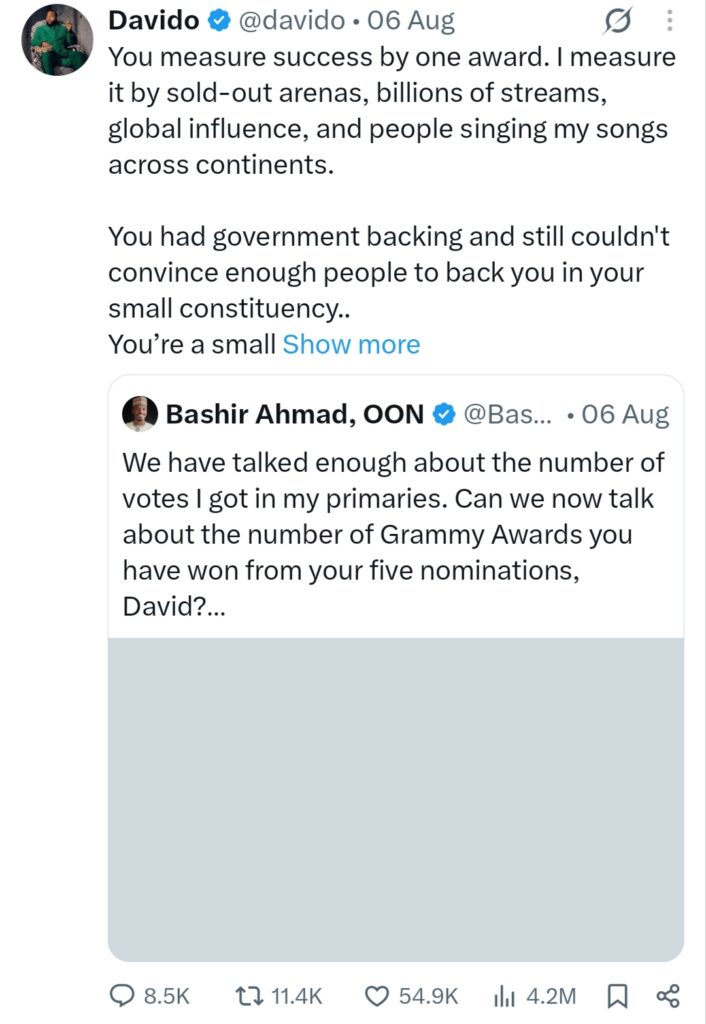
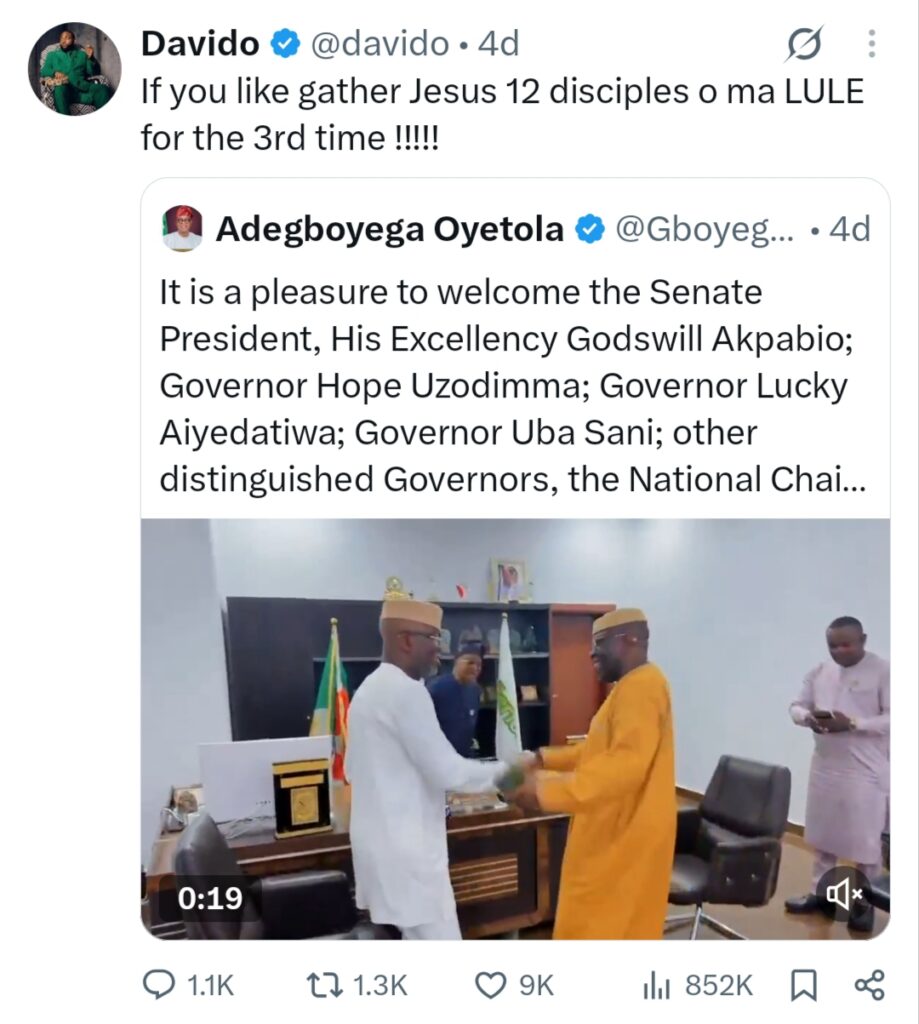
The exchanges demonstrated another feature of the Adeleke strategy, engagement itself became mobilisation.
Rather than communicating only with people already persuaded, Davido entered contested online spaces where political narratives were being debated, challenged and defended.
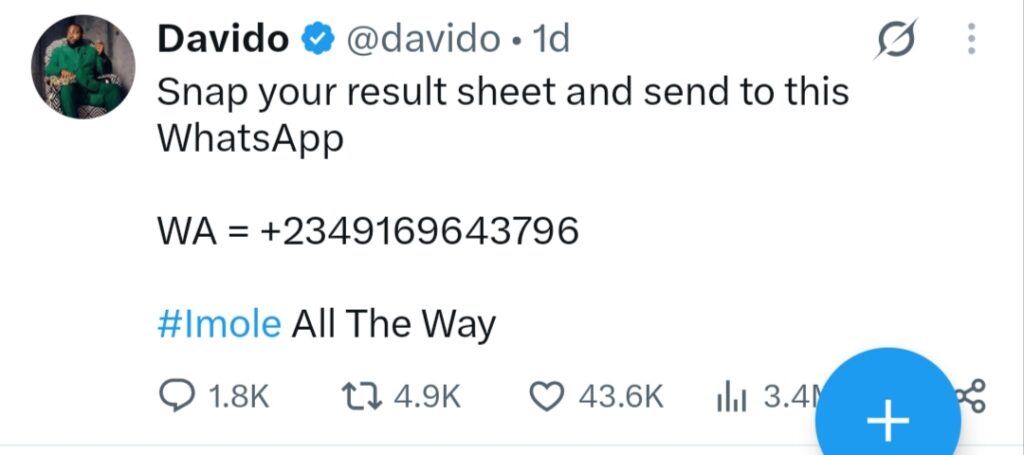
That approach kept the Osun election in national conversation while showing how a celebrity campaigner could convert personal visibility into political reach, even when exchanges became contentious.
Call for help against anticipated electoral threats
When concerns about the election escalated, social media also became an emergency signalling channel.
Davido used X to call for outside attention, including directly appealing to Donald Trump to monitor the Osun election, a move that generated debate over the implications of seeking international scrutiny of Nigeria’s democratic process.
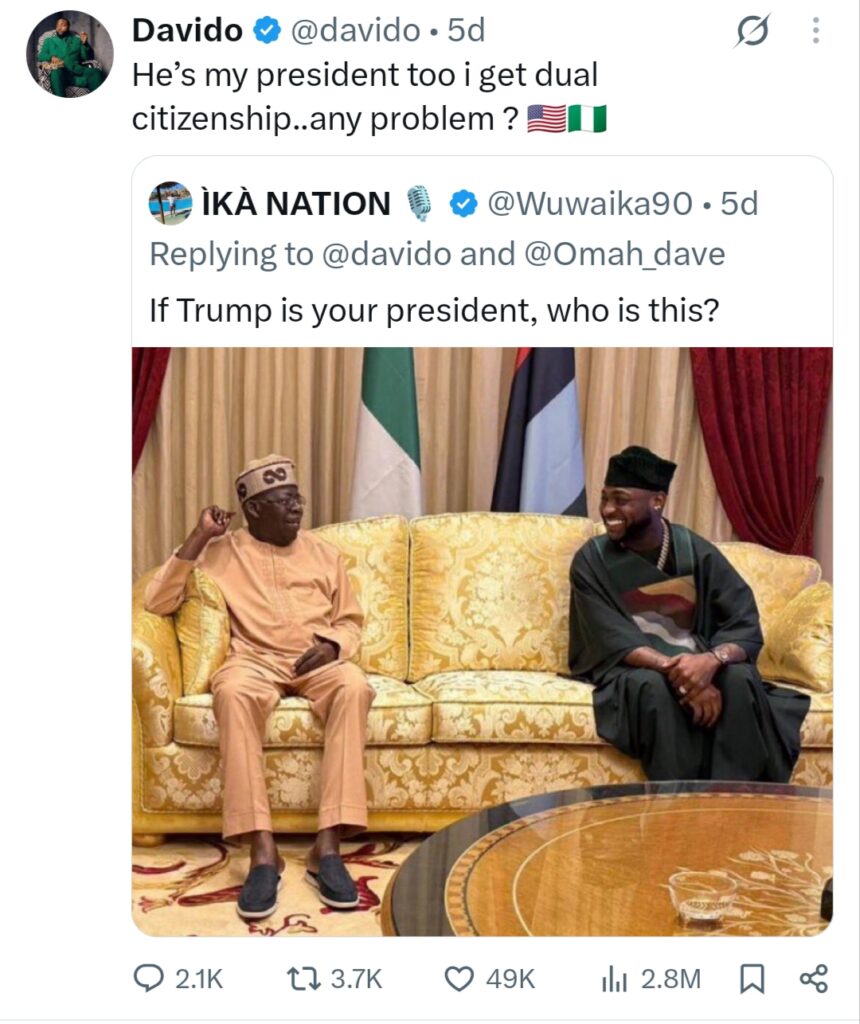
He also used the platform to raise alarm over anticipated restrictions on movement and possible deployment of armed military personnel.
Whether viewed as political pressure, precautionary advocacy or an attempt to draw public attention, the tactic reflected a deliberate understanding of digital platforms as spaces where threats could be reported before they became irreversible.
Instead of waiting for conventional media cycles, the message could reach millions instantly, generate reactions and place election-related concerns before domestic and international audiences.
PU live updates and votes defense by the electorates
On election day, the digital operation moved from campaign promotion to ground-level monitoring. Updates from polling units were shared across social platforms, giving supporters a running picture of accreditation, voting, counting and emerging developments.
The messages also carried a recurring instruction: voters should remain vigilant and defend their ballots. That emphasis echoed Adeleke’s pre-election warnings that supporters should resist attempts to tamper with the process and protect their votes.
Months before the poll, he had told voters:
“resist election riggers and protect your votes at all cost…”
He further urged them to challenge suspicious activity at polling units.
The online amplification of such messages connected dispersed polling units to a common digital audience, turning individual observations into a stream of election-day citizen awareness and political mobilisation.
Demanding that INEC upload results under ultimatum
As results began emerging, the campaign’s digital pressure shifted towards transparency and speed. The demand was straightforward: election results should be uploaded and made accessible rather than left to speculation and rumour.
The emphasis was significant because INEC had stated before the election that BVAS would be used not only for voter accreditation but also to upload polling-unit results directly to the IReV portal for public access.
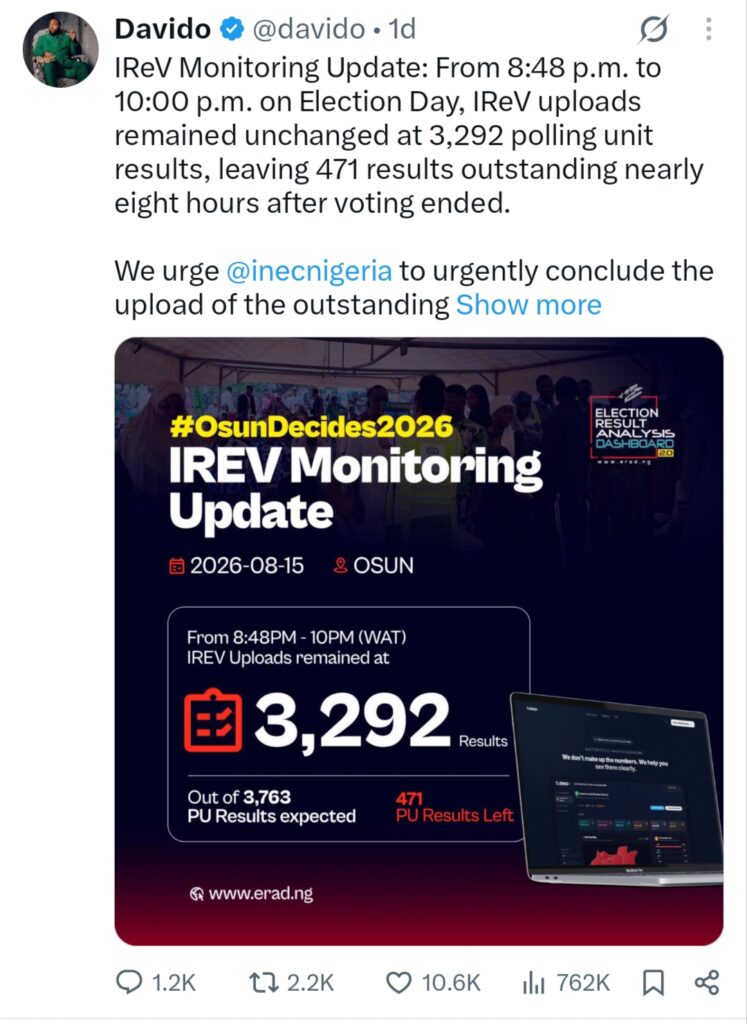
By insisting that the commission fulfil that transparency obligation, the Adeleke camp positioned digital visibility as part of electoral accountability.
The pressure also reflected a broader lesson from Nigeria’s recent elections: when official information is delayed, social media quickly fills with competing claims.
Demanding prompt publication therefore became both a defensive political strategy and an attempt to anchor the emerging result in verifiable official records.
Congratulatory messages from political actors across the country
Victory eventually transformed the same digital ecosystem from a battleground into a celebration of democratic legitimacy.
Messages congratulating Adeleke came from political figures representing different interests and parts of the country, extending beyond his immediate political circle.
Former Vice President Atiku Abubakar and former Anambra governor Peter Obi were among those who congratulated him, while Oyo Governor Seyi Makinde and Afolabi also joined the chorus.
Former Taraba governor Darius Ishaku Nyame gave the result a wider political interpretation, describing Adeleke’s victory as “a message of hope for Tarabans.”
Makinde and Afolabi, according to the Guardian report, stressed that “nothing can override the people’s will.”
The reactions showed that the election’s digital narrative had travelled beyond Osun, with Adeleke’s victory becoming a national political talking point immediately after the result.
Talking Points
Taken it all together, the Adeleke experience illustrates how modern electoral campaigns increasingly operate on two interconnected fronts; the physical arena of rallies, polling units and collation centres, and the digital arena where narratives are created, challenged and amplified almost instantaneously.
Davido’s involvement gave the Adeleke campaign an unusual bridge between entertainment culture, youth mobilisation and political communication, while Governor Adeleke’s own messages supplied the political direction behind the mobilisation.
From showcasing crowds to engaging opponents, raising alarms, monitoring polling units and demanding transparency, the family’s digital presence helped ensure that the election remained under close public scrutiny.
The eventual congratulatory messages from political figures across Nigeria further demonstrated the reach of that narrative.
One notable fact in #OsunDecides2026 is that, the ballot was cast on the ground, but the battle for attention, perception and accountability was fought heavily online.
________________________
Bookmark Techparley.com for the most insightful technology news from the African continent.
Follow us on X/Twitter @Techparleynews, on Facebook at Techparley Africa, on LinkedIn at Techparley Africa, or on Instagram at Techparleynews

