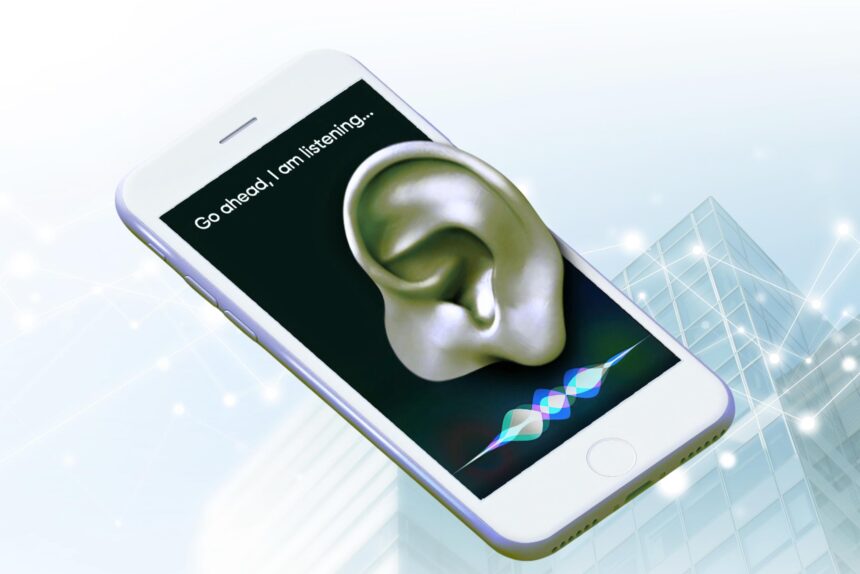
In an era of smartphones, smart assistants, and pervasive digital advertising, many people are asking the question: is my smartphone listening to me? Concerns over privacy have intensified, particularly as users notice ads appearing for products they have only discussed verbally.
If you’re searching for information on smartphone listening to you, this guide explores the science, the myths, the legal landscape, and practical steps to protect your privacy.
How Smartphones Could Potentially “Listen”
Modern smartphones come equipped with multiple microphones designed to facilitate voice calls, video recording, and smart assistant functionality. Features like Apple’s Siri, Google Assistant, and Amazon Alexa rely on “always-on” microphones to detect wake words such as “Hey Siri” or “OK Google.”
In theory, any app that requests microphone access could misuse it. Once granted, apps could capture audio, store it, and send it to remote servers without explicit knowledge of the user. While major tech companies state that their devices only process audio locally until the wake word is detected, the possibility of malicious applications or malware remains a valid concern.
Evidence vs. Perception: Are Phones Actually Listening?
Despite widespread suspicion, there is no definitive evidence that mainstream apps are actively listening to private conversations to target ads. Studies by cybersecurity experts and investigations from major publications (including Wired and The Guardian) have failed to find proof of intentional eavesdropping.
The perception of being listened to often arises because targeted advertising algorithms are extremely sophisticated. They rely on data such as:
- Browsing history
- Search engine queries
- Location data
- Social media interactions
- App usage patterns
These signals allow advertisers to serve personalised ads that can feel uncanny, giving the impression that your phone is listening when it is likely analysing behavioural data instead.
Why People Feel Their Phones Are Listening
Psychologists refer to this as the “Baader-Meinhof phenomenon” or frequency illusion. When someone talks about a product and later sees an ad for it, it feels like their device “overheard” them. In reality, their subconscious is noticing patterns and coincidences that align with the vast amount of data already collected.
In addition, the way smartphones integrate with cloud services, voice assistants, and third-party apps means that users may unknowingly provide data points that advertisers and algorithms exploit, increasing the sense of being constantly monitored.
The Risks of Malicious Listening
Even if mainstream apps aren’t spying, malicious actors can exploit microphone access:
- Rogue apps: Some apps request microphone permissions unnecessarily and may misuse it.
- Malware: Infected devices could theoretically record audio and transmit it without consent.
- Corporate or government surveillance: In certain jurisdictions, spyware has been deployed to monitor activists, journalists, or individuals under investigation.
Differences Between iOS and Android
Both Apple and Google have designed privacy safeguards, but they operate differently:
- iOS (Apple): Apps must explicitly request microphone access, and users can revoke permissions at any time. Apple has emphasised local processing for Siri, meaning audio is processed on the device until a wake word triggers server access.
- Android (Google): Also requires microphone permission, but the open ecosystem and sideloading of apps increase the risk of malware or rogue apps gaining access. Google has introduced privacy dashboards to monitor which apps use sensitive permissions.
Understanding your platform’s privacy features is essential in assessing your own risk.
Regulations and Legal Protections
Globally, governments are tightening privacy rules:
- Europe (GDPR): Companies must obtain clear consent before processing personal data, including audio recordings.
- California (CCPA): Users can opt out of the sale of personal data.
- Kenya (Data Protection Act): Personal information, including identifiers and biometric data, must be protected.
These laws provide frameworks to hold companies accountable, but enforcement is uneven, and users must remain proactive.
Practical Steps to Protect Your Privacy
Even if your phone is unlikely to actively listen without consent, it’s wise to reduce exposure:
- Audit app permissions: Revoke microphone access for apps that don’t require it.
- Disable always-on listening: Turn off voice assistants or set them to manual activation.
- Keep your software updated: Updates patch vulnerabilities that malware might exploit.
- Use anti-malware solutions: Security apps can detect suspicious access to microphones.
- Physical protection: Cases or microphone blockers can prevent accidental eavesdropping.
- Review privacy settings: Both iOS and Android allow you to monitor microphone and location access regularly.
By practising careful digital hygiene, you can minimise the risk without losing functionality.
What You Need to Know
Should you be worried about your smartphone listening to you? For most users, the risk of deliberate eavesdropping by mainstream apps is low. However, the combination of apps, permissions, behavioural tracking, and malware risks means that caution is warranted.
The best approach is a combination of awareness, proactive permission management, device security, and understanding privacy laws. While smartphones offer unprecedented convenience, responsible usage is the most effective way to protect your personal information in an increasingly connected world.
By distinguishing perception from reality and taking practical steps, users can maintain control over their privacy while still enjoying the benefits of modern mobile technology.
5 FAQs for “Smartphone Listening to You” Guide
Can my smartphone really listen to my conversations?
Most mainstream apps do not actively record conversations. Voice assistants only process audio after detecting wake words, and targeted ads are usually based on behavioural data, not live listening.
Why do ads sometimes seem related to things I’ve only spoken about?
This is often due to advanced ad algorithms analysing search history, app usage, location data, and social media activity. It creates the perception of being “listened to,” even though your phone isn’t recording your conversations.
How can I check which apps have microphone access on my phone?
On iOS, go to Settings > Privacy > Microphone; on Android, go to Settings > Privacy > Permission Manager > Microphone. Revoke access for apps that don’t need it.
What practical steps can I take to prevent my phone from listening?
Disable always-on voice assistants, review app permissions, keep software updated, use security software, and consider physical microphone blockers for extra protection.
Are there legal protections if a company misuses my audio data?
Yes. Laws like GDPR in Europe, CCPA in California, and Kenya’s Data Protection Act provide frameworks for consent and data protection. Companies found violating these regulations can face penalties, and users can file complaints with regulators.
——————-
Bookmark Techparley.com for the most insightful technology news from the African continent.
Follow us on Twitter @Techparleynews, on Facebook at Techparley Africa, on LinkedIn at Techparley Africa, or on Instagram at Techparleynews.