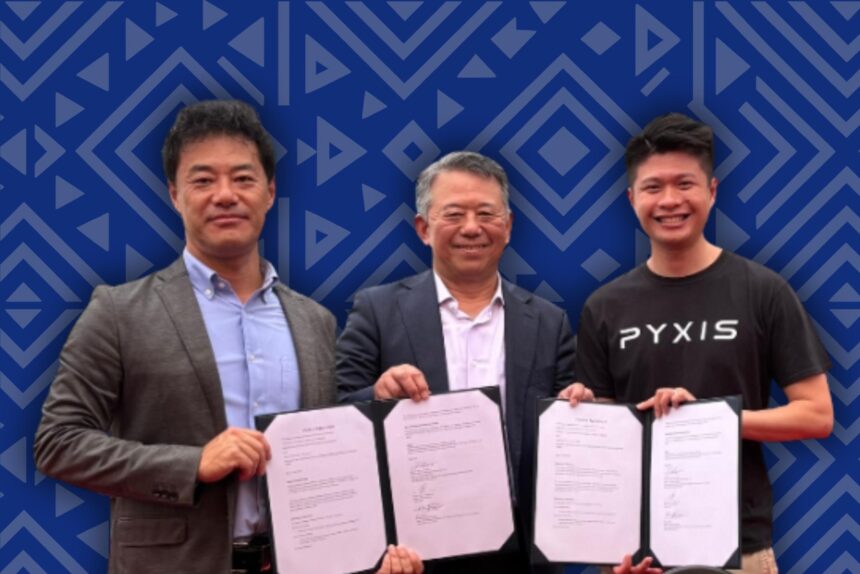
Singapore-based maritime electrification startup, Pyxis, has secured SGD 13 million (approximately USD 10 million) in the first close of its targeted SGD 18 million growth funding round, signalling growing investor confidence in electric shipping technologies and the company’s commercial traction.
The early close, announced on Wednesday, 17 December, comes amid heightened demand for electric and low-carbon vessels across Asia, where governments and port authorities are accelerating decarbonisation efforts in coastal and in-port operations.
In addition to equity funding, Pyxis has secured green debt financing from OCBC. The debt facility will be channelled towards vessel capital expenditure, providing the company with greater financial flexibility to accelerate vessel deployment and infrastructure development across the region.
“Investor conviction in this round sends an unmistakable message: maritime electrification is accelerating, and Pyxis is leading that transition,” said Tommy Phun, Founder and CEO of Pyxis. “The strength of this first close, anchored by strategic follow-on investments, validates the scalability of our technology and our ambition to build Asia’s leading coastal electrification ecosystem.”
What You Need to Know
Asia currently operates more than 70,000 coastal and harbour vessels, many of which rely on diesel-powered engines that contribute significantly to local air pollution and carbon emissions.
In Singapore alone, around 1,600 harbour craft are expected to transition to electric or other low-carbon alternatives in line with national sustainability targets and maritime decarbonisation goals.
Pyxis is positioning itself at the centre of this transition, offering electric vessels and integrated energy systems designed to reduce the total cost of ownership by cutting fuel and maintenance expenses while improving energy efficiency and lowering emissions.
Technology-led Approach to Fleet Electrification
At the core of Pyxis’ offering is Electra™, its proprietary energy and vessel management platform. The system enables real-time monitoring, predictive maintenance and fleet-level optimisation, helping operators improve reliability, reduce downtime and manage electric fleets more efficiently.
To date, the company has secured 17 orders for electric vessels from multiple customers across the region, including Singapore. In parallel, Pyxis is building a network of ultra-fast marine charging infrastructure.
Two charging sites have already been deployed, with additional locations planned in collaboration with local partners. A 300kW charging site is scheduled to launch in the first quarter of 2026.
With vessel orders increasing and infrastructure rolling out, the company says it is entering its strongest growth phase since inception.
What This Means
The funding round is backed by a coalition of climate-tech, venture capital and maritime strategic investors. Existing backers Shift4Good and Motion Ventures participated in the round, alongside SG Growth Capital, the investment platform of Singapore’s Economic Development Board and Enterprise Singapore.
Strategic participation also came from Mitsui O.S.K. Lines, one of the world’s largest shipping companies, through its corporate venture capital arm, MOL PLUS. The continued follow-on investments underscore long-term confidence in Pyxis’ technology, execution and market opportunity.
The raise was catalysed by the Maritime and Port Authority of Singapore’s Expression of Interest for electric vessel financing, part of broader efforts to build an electric harbour craft ecosystem and support early adopters of new maritime technologies.
As ports and operators across Asia seek cleaner, more efficient alternatives to diesel-powered vessels, experts say Pyxis’ early funding momentum suggests that electric harbour craft are moving from pilot projects to commercial reality.
Talking Points
It is notable that Pyxis is securing significant growth capital at an early close, signalling strong investor confidence in maritime electrification at a time when the sector is moving from pilots to commercial deployment across Asia.
The company’s focus on reducing total cost of ownership is particularly compelling. By lowering fuel and maintenance costs while improving energy efficiency, Pyxis is addressing the primary concern of vessel operators: economic viability, not just sustainability.
At Techparley, we see this as a strong example of how climate-tech can move beyond policy discussions into practical, revenue-generating solutions that align commercial interests with decarbonisation goals.
Strategic partnerships, particularly with port authorities, shipping companies, and financiers, will be essential to accelerate adoption and reduce friction for early adopters.
If Pyxis continues to execute with this level of clarity and speed, it has the potential to play a defining role in shaping Asia’s coastal electrification ecosystem and setting a benchmark for maritime decarbonisation globally.
——————-
Bookmark Techparley.com for the most insightful technology news from the African continent.
Follow us on Twitter @Techparleynews, on Facebook at Techparley Africa, on LinkedIn at Techparley Africa, or on Instagram at Techparleynews.