



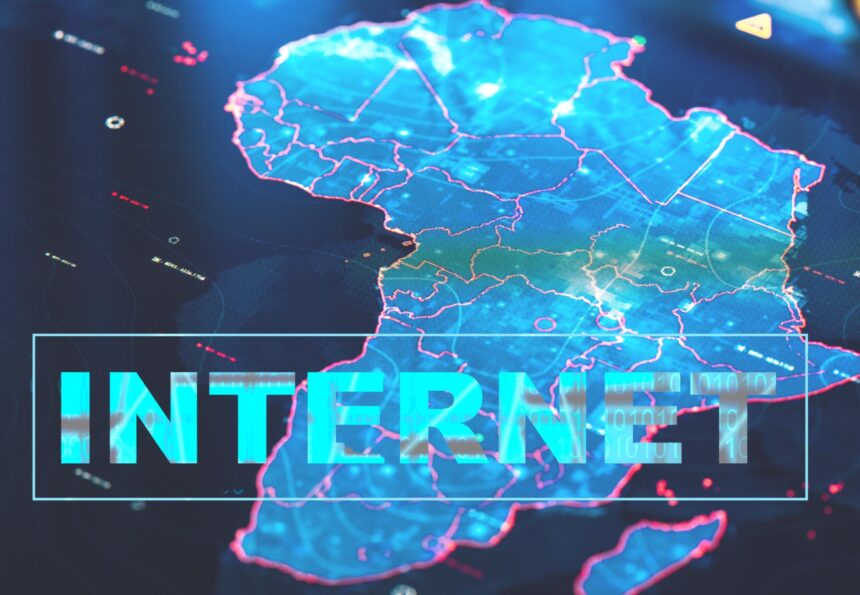
Africa’s internet economy is entering a transformative phase, driven by mobile adoption, fintech growth, and innovative digital solutions tailored for local markets.
The continent has seen a surge in internet users, digital transactions, and online services, creating fertile ground for emerging technologies to redefine commerce, education, finance, and entertainment. In this guide, we explore the top 10 tech trends shaping the future of Africa’s internet economy.
These trends are not only expanding the size of the digital economy but also improving accessibility, efficiency, and inclusivity for millions of Africans. Startups, investors, and enterprises that harness these trends effectively are well-positioned to lead in the next phase of Africa’s digital transformation.
1. Mobile-First Ecosystems
Africa is the most mobile-first continent in the world, with over 600 million smartphone users as of 2025. Mobile devices have become the primary gateway to the internet for most Africans, enabling access to social media, commerce, payments, and education without relying on desktop computers or broadband networks.
This mobile-first trend has spurred the rise of super apps that integrate multiple services, from payments and e-commerce to ride-hailing and messaging. Companies like Chipper Cash, Paga, and Flutterwave are leveraging mobile-first strategies to reach previously unbanked or underserved populations, creating seamless digital experiences that work even on low-end devices and limited connectivity.
2. Fintech Expansion and Embedded Finance
Fintech continues to transform Africa’s internet economy, with mobile wallets, digital lending, and embedded finance products driving financial inclusion at scale. Innovative solutions are making it possible for individuals and small businesses to transact digitally without traditional bank accounts.
Embedded finance is increasingly integrated into everyday platforms, allowing users to access loans, insurance, and payment services directly within apps they already use. Startups like Paystack, Carbon, and Tala are expanding these services, bridging the gap between informal and formal financial systems while improving transaction efficiency and convenience.
3. E-Commerce Growth and Logistics Innovation
E-commerce across Africa has exploded in recent years, driven by rising smartphone penetration and digital payments adoption. Platforms like Jumia, Konga, and MallforAfrica are capturing demand from urban and peri-urban consumers, but logistical challenges remain a key constraint.
Startups are innovating to solve delivery bottlenecks through smart warehouses, route optimisation software, and last-mile delivery solutions, including drone delivery pilots and motorcycle logistics networks. These improvements reduce delivery times, expand reach, and enhance trust in online shopping, which is critical to sustaining e-commerce growth.
4. Artificial Intelligence and Machine Learning Adoption
AI and machine learning are increasingly used in African tech to personalise services, optimise operations, and improve decision-making. From fraud detection in payments to AI chatbots and predictive analytics in agriculture, startups are leveraging AI to solve local problems at scale.
Companies like Lena (edtech) and Farmcrowdy (agritech) are applying AI to track learning outcomes and crop yields, respectively, demonstrating the technology’s potential to improve service delivery. As AI adoption grows, it is likely to redefine productivity, efficiency, and customer engagement across multiple sectors in Africa.
5. EdTech Innovation
Education technology is booming in Africa, with platforms combining gamification, curriculum alignment, and AI-driven analytics to improve learning outcomes. Companies like Lena and uLesson are transforming how children and students interact with educational content, focusing on engagement and retention rather than rote memorisation.
Offline-first platforms are addressing connectivity challenges, while AI engines track progress and identify learning gaps in real time. By providing tools for both students and educators, EdTech is bridging quality education gaps, especially in regions with limited access to trained teachers or physical learning resources.
6. Renewable Energy-Powered Connectivity
Reliable electricity remains a barrier to internet access in many parts of Africa. Renewable energy solutions, including solar-powered internet hubs and mini-grids, are enabling communities to stay connected while reducing reliance on unstable national grids.
Startups like M-KOPA and Azuri Technologies are deploying solar solutions that power mobile networks, schools, and small businesses. As renewable energy infrastructure expands, it will not only improve internet access but also support the growth of Africa’s internet economy in rural and underserved areas.
7. Blockchain and Digital Assets
Blockchain adoption is gaining traction across Africa, with applications spanning payments, supply chain verification, digital identity, and NFTs. Digital assets and decentralized finance (DeFi) are opening new avenues for financial inclusion and cross-border transactions.
Companies like Yellow Card, BitPesa, and ChamaPesa are leveraging blockchain to facilitate cheaper, faster, and more secure transactions. As regulatory frameworks mature, blockchain technologies are expected to play an increasingly central role in Africa’s financial and digital ecosystems.
8. HealthTech Innovation
Digital health platforms are transforming healthcare delivery in Africa. Telemedicine, AI-powered diagnostics, and mobile health applications are improving access to medical services, particularly in regions where healthcare infrastructure is limited.
Startups like 54gene, Helium Health, and LifeBank are deploying solutions that streamline patient management, supply chains, and laboratory testing. HealthTech not only enhances care delivery but also generates valuable health data, which can inform policy and drive better outcomes across the continent.
9. Cloud Adoption and Local Data Infrastructure
Cloud computing is becoming essential for African businesses, providing scalable, cost-effective infrastructure to deliver digital services. Investment in local data centres is increasing, enabling faster, more secure, and regulatory-compliant cloud operations.
Companies like MainOne and Rack Centre are expanding cloud and data centre capacity, supporting startups and enterprises alike. Cloud adoption also facilitates AI, fintech, and edtech applications by providing the computational power needed to process large datasets efficiently.
10. Digital Entertainment and Content Creation
Africa’s digital content ecosystem is booming, with social media, streaming, short-form videos, and gaming creating new economic opportunities. Platforms like TikTok, YouTube, and BetKing are enabling creators to monetise content and reach global audiences.
Gaming and interactive entertainment are especially impactful, with startups integrating educational content and storytelling into engaging experiences. As digital entertainment grows, it will continue to drive engagement, advertising revenue, and creative entrepreneurship across the continent.
What You Need to Know
These ten trends collectively illustrate how Africa’s internet economy is expanding in scale, reach, and sophistication. From mobile-first platforms to blockchain and AI-powered services, each trend is unlocking new opportunities for users, startups, and investors alike.
By harnessing these innovations and addressing local challenges such as connectivity, energy, and affordability, the continent is poised for a new era of digital growth that is inclusive, sustainable, and globally competitive.
FAQs on Top 10 Tech Trends Defining the Next Phase of Africa’s Internet Economy
What is Africa’s internet economy?
Africa’s internet economy refers to the digital ecosystem across the continent, including e-commerce, fintech, digital services, online content, and platforms that rely on internet connectivity to deliver value to users and businesses.
Which tech trends are driving growth in Africa’s internet economy?
Key trends include mobile-first ecosystems, fintech expansion, e-commerce growth, AI adoption, EdTech innovation, renewable energy-powered connectivity, blockchain, HealthTech, cloud computing, and digital entertainment.
How are mobile-first ecosystems impacting Africa’s digital landscape?
Mobile-first ecosystems allow Africans to access internet services primarily via smartphones. This has enabled super apps, mobile payments, and online marketplaces to reach millions of previously underserved users.
Why is offline AI important for Africa’s internet economy?
Offline AI ensures digital services function in regions with limited or intermittent internet connectivity. It is especially critical for edtech, fintech, and healthcare platforms that aim to serve rural or lower-income communities.
How do startups leverage these tech trends in Africa?
Startups integrate these technologies to solve local challenges, such as financial inclusion, access to education, healthcare delivery, and digital entertainment. Examples include Flutterwave in fintech, Lena in edtech, and 54gene in HealthTech.
——————-
Bookmark Techparley.com for the most insightful technology news from the African continent.
Follow us on Twitter @Techparleynews, on Facebook at Techparley Africa, on LinkedIn at Techparley Africa, or on Instagram at Techparleynews.