



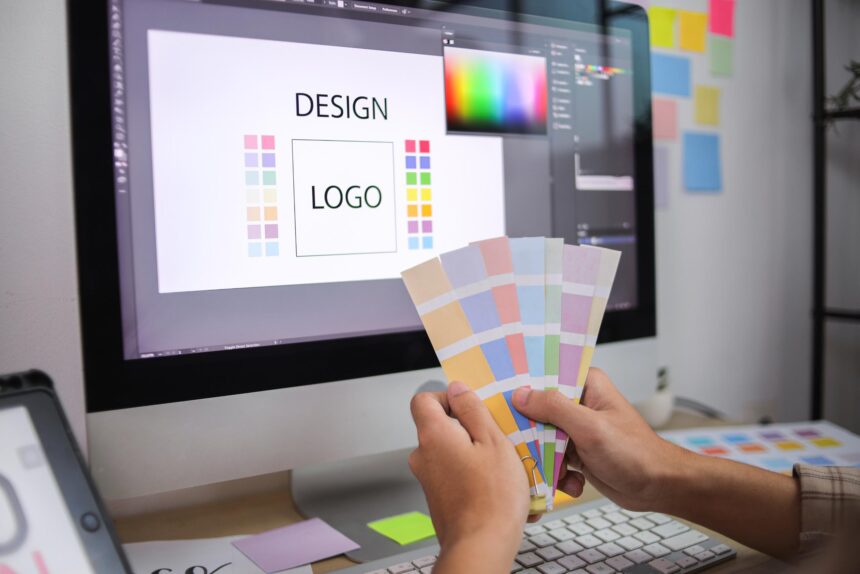
A motion graphics designer is a creative professional who combines graphic design, animation, and video to create engaging visual content.
This career is in high demand in advertising, entertainment, digital media, and corporate branding. Whether it’s animated social media content, TV commercials, or explainer videos, motion graphics designers bring stories to life with movement.
The global digital media industry continues to grow, and companies are increasingly investing in animated content to capture audience attention.
In Nigeria and across Africa, brands, creative agencies, and startups are adopting digital marketing strategies that rely heavily on motion graphics, making this an exciting and financially rewarding career path.
Skills You Need to Become a Motion Graphics Designer
To succeed as a motion graphics designer, you’ll need a combination of technical skills, creativity, and storytelling abilities. Key skills include:
- Design fundamentals: Colour theory, typography, layout, and composition.
- Animation principles: Understanding timing, easing, and motion flow.
- Software proficiency: Adobe After Effects, Adobe Illustrator, Cinema 4D, Blender, and Premiere Pro.
- Storytelling and concept development: Turning ideas into engaging visual narratives.
- Audio and sound design basics: Knowing how sound complements motion graphics.
Local tip: Many Nigerian agencies prefer designers who can create motion graphics tailored to social media platforms like Instagram, TikTok, and YouTube, where short-form content dominates.
Step-by-Step Roadmap to Becoming a Motion Graphics Designer
Step 1: Build a Strong Foundation in Graphic Design
Before adding motion, ensure your design fundamentals are solid. Take online courses or attend local design schools to master composition, typography, and digital illustration.
Step 2: Learn Animation Software
Focus on industry-standard tools:
- Adobe After Effects – core tool for motion graphics.
- Cinema 4D or Blender – for 3D animations and visual effects.
- Adobe Premiere Pro – for video editing integration.
Step 3: Practice Motion Design Principles
Learn the 12 principles of animation (squash & stretch, anticipation, timing, etc.) and apply them to your projects. Replicate popular ads, music videos, or social media clips to refine your skills.
Step 4: Build a Portfolio
Showcase your work online via:
- Behance
- Dribbble
- Personal website or Vimeo/YouTube channel
Focus on variety: logo animations, UI animations, explainer videos, and social media content.
Step 5: Gain Experience
Start with freelance gigs, internships, or local agencies. Nigerian startups, advertising agencies, and e-learning platforms often seek designers for social media campaigns, marketing videos, and explainer animations.
Step 6: Specialise & Stay Updated
Consider specialising in:
- 2D motion graphics
- 3D animation
- UI/UX motion design
- Explainer videos for marketing
Stay updated with trends in animation, storytelling, AR/VR motion design, and AI-powered design tools like Runway ML or Adobe Firefly.
Market Value: How Much Can a Motion Graphics Designer Earn?
The earning potential varies depending on experience, location, and expertise.
- Entry-level: $6,000–$12,000 per year (N2.7M–N5.5M)
- Mid-level: $15,000–$35,000 per year (N6.8M–N16M)
- Senior/Lead Motion Graphics Designer: $50,000–$70,000+ per year (N22M–N30M)
In Nigeria, freelance motion graphics designers can charge $100–$500 per project, with rates increasing for animated commercials, explainer videos, or corporate branding content.
Career Growth and Opportunities
- Advertising agencies, creative studios, and digital marketing agencies.
- TV, film, and entertainment companies producing motion graphics for shows, ads, and music videos.
- Corporate branding teams and e-learning platforms producing explainer videos.
- Freelance and consultancy opportunities, serving global clients via Upwork, Fiverr, or Behance.
Motion graphics design is a growing field, with opportunities in both local content creation and international remote work, especially as African creatives become more visible in global digital media.
Tools Every Motion Graphics Designer Should Know
- Adobe After Effects – animation & compositing
- Cinema 4D / Blender – 3D motion graphics
- Adobe Illustrator / Photoshop – design assets
- Premiere Pro / Final Cut Pro – video editing integration
- Figma / Adobe XD – for UI/UX motion design
Local tip: Using low-bandwidth-friendly software or cloud rendering options is important for Nigerian creatives dealing with internet and hardware constraints.
FAQs on Becoming a Motion Graphics Designer
Do I need a degree to become a motion graphics designer?
No, many designers succeed through online courses, bootcamps, and self-taught skills. A strong portfolio matters more than formal education.
How long does it take to become job-ready?
Typically 12–24 months of focused learning and project work, depending on prior design experience.
Can I freelance as a motion graphics designer?
Yes, freelance opportunities are abundant, especially for social media content, explainer videos, and corporate branding.
Is motion graphics in demand in Africa?
Yes. With digital content growth, social media campaigns, and e-learning adoption, demand is increasing steadily.
Which soft skills are essential?
Creativity, time management, communication, and the ability to interpret client briefs effectively.
——————-
Bookmark Techparley.com for the most insightful technology news from the African continent.
Follow us on Twitter @Techparleynews, on Facebook at Techparley Africa, on LinkedIn at Techparley Africa, or on Instagram at Techparleynews.