



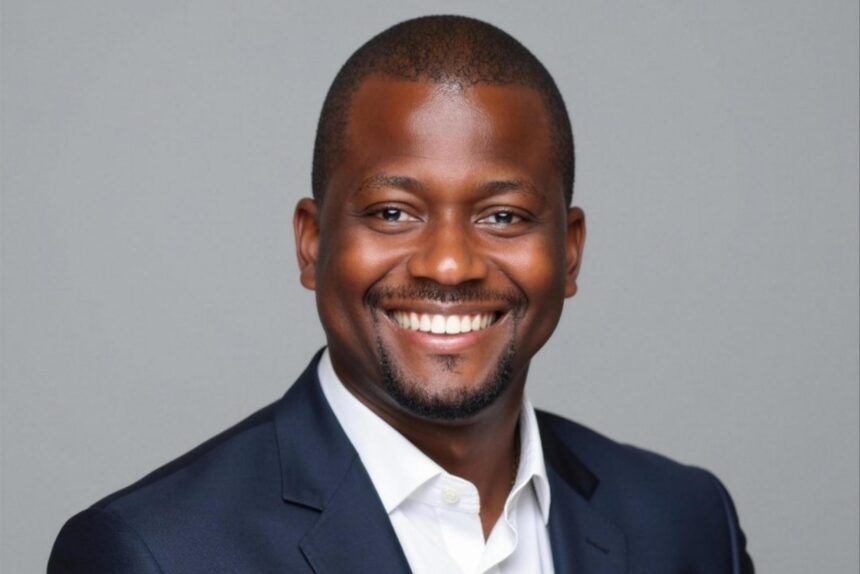
Terrahash, a clean-energy Bitcoin mining and high-performance computing startup, has rebranded to TerraHex Digital Assets Corp (TerraHex), marking a shift as it deepens its push into energy-backed digital infrastructure across emerging markets.
The company, founded in 2025 by Nigerian entrepreneur OluMayowa Ogunnusi, says the rebrand reflects a broader ambition to move from a narrow focus on Bitcoin mining to a more expansive model that integrates artificial intelligence (AI) compute, energy infrastructure, and digital assets.
The timing is deliberate. As global demand for both AI compute and decentralised infrastructure accelerates, TerraHex is positioning itself at the intersection of power, processing, and profitability, an area increasingly seen as the next frontier in digital infrastructure.
“TerraHex reflects the direction the business is taking and the scale of what we are building. As digital infrastructure, energy, and bitcoin-linked compute become more closely linked, we are putting the right partnerships, structure and governance in place to build with a long-term view,” OluMayowa Ogunnusi, CEO of TerraHex, said.
What you need to know
At the core of TerraHex’s strategy is a Power-for-Equity model, designed to unlock value from underutilised or stranded energy assets, particularly in regions where infrastructure gaps have historically limited commercial viability.
Under this model, TerraHex provides capital, hardware, and operational expertise, while energy partners contribute power assets in exchange for equity stakes in site-specific ventures. The result is a shared-risk, shared-reward structure that aligns incentives across stakeholders.
This approach is particularly relevant in markets like Nigeria, where significant volumes of associated gas and other energy resources remain underutilised.
Rather than allowing that energy to go to waste, TerraHex converts it into productive digital infrastructure, deploying modular, containerised computing systems powered by gas-based generation.
The model generates dual revenue streams:
- Bitcoin mining, which begins monetising power from the first megawatt
- AI compute services, including enterprise inference, model fine-tuning, and large-scale data processing
By combining both, the company aims to improve asset utilisation while hedging against volatility in any single revenue line.
Delta State pilot to anchor early deployment
As part of its initial rollout, TerraHex has reached heads of terms with Shoreline Power for a proposed joint venture at facilities in Afisiere, OML 30 in Delta State, Nigeria.
The project is expected to serve as the company’s proof-of-concept node, with an initial 18 megawatts (MW) of secured power capacity, and potential for further expansion if execution meets expectations.
Operations in Nigeria will be managed through a dedicated vehicle, with legal and regulatory advisory provided by Templars, signalling an early effort to anchor the business within compliant and structured frameworks.
If successful, the Afisiere deployment could demonstrate the viability of TerraHex’s model in converting stranded energy into scalable digital infrastructure, an outcome that could unlock similar opportunities across other energy-rich but underdeveloped markets.
Bridging Bitcoin and AI infrastructure
The name change from Terrahash to TerraHex is more than cosmetic. It reflects a conceptual shift in how the company sees its role in the digital economy.
While “hash” is closely associated with Bitcoin mining, “hex” references hexadecimal notation, a foundational language used in both blockchain systems and modern computing architectures.
The rebrand signals TerraHex’s intention to operate across both domains, leveraging its Bitcoin mining roots while expanding into broader compute infrastructure supporting AI workloads.
This dual positioning mirrors a wider industry trend, where the lines between crypto infrastructure and AI computing are increasingly blurring, driven by shared demands for energy, hardware, and scalable processing power.
Governance and structure built for cross-border scale
To support its expansion, TerraHex has adopted a three-tier corporate structure comprising:
- A Delaware-based parent company
- A wholly owned UAE holding entity
- Majority-owned special purpose vehicles (SPVs) at each operational site
Energy partners hold minority stakes in these SPVs, ensuring local alignment while maintaining central oversight.
The company has also strengthened its governance framework, assembling a board and observer group with expertise spanning energy, finance, law, infrastructure, and digital assets.
This structure is designed to balance global capital access with local execution, an increasingly important factor for companies operating across multiple regulatory environments.
Betting on the convergence of energy and compute
TerraHex’s strategy comes at a time when the convergence of energy infrastructure, Bitcoin mining, and AI compute is becoming more pronounced.
High-performance computing workloads, particularly those linked to AI are energy-intensive, while Bitcoin mining continues to seek out low-cost power sources. Both trends are pushing companies towards innovative models that integrate energy production with compute deployment.
By targeting stranded energy, TerraHex is positioning itself within a niche that offers both economic and environmental advantages:
- Lower energy costs improve margins
- Reduced waste supports cleaner energy utilisation
- Distributed infrastructure enables deployment in underserved regions
For markets like Nigeria, where energy inefficiencies remain a persistent challenge, such models could represent a new pathway for monetising dormant resources.
Execution now becomes the real test
With its rebrand complete and initial partnerships in place, TerraHex is now focused on executing its first deployment ahead of Bitcoin 2026, a timeline that will test both its operational capabilities and its underlying thesis.
The company’s success will depend on its ability to deliver reliable infrastructure, manage regulatory complexity, and scale its model across multiple sites without diluting efficiency.
If it succeeds, TerraHex could emerge as a key player in a fast-evolving sector where energy and compute are no longer separate industries, but two sides of the same equation.
Talking Points
It is notable that TerraHex is not simply rebranding for optics, but signalling a deeper strategic shift from Bitcoin mining to a broader digital infrastructure play that includes AI compute.
The Power-for-Equity model stands out as a pragmatic approach to solving one of Africa’s most persistent challenges: underutilised energy assets. By aligning incentives with energy partners, TerraHex is creating a structure that could unlock value where traditional models have failed.
This positioning is particularly relevant in markets like Nigeria, where stranded gas and inefficient energy utilisation remain widespread, yet largely untapped for productive digital use.
At Techparley, we see this as part of a growing trend where energy and compute are becoming increasingly intertwined, with companies building infrastructure that monetises power directly through digital workloads.
If executed well, TerraHex has the potential to redefine how emerging markets think about energy utilisation, turning waste into infrastructure and positioning Africa within the global AI and compute economy.
——————-
Bookmark Techparley.com for the most insightful technology news from the African continent.
Follow us on Twitter @Techparleynews, on Facebook at Techparley Africa, on LinkedIn at Techparley Africa, or on Instagram at Techparleynews.